
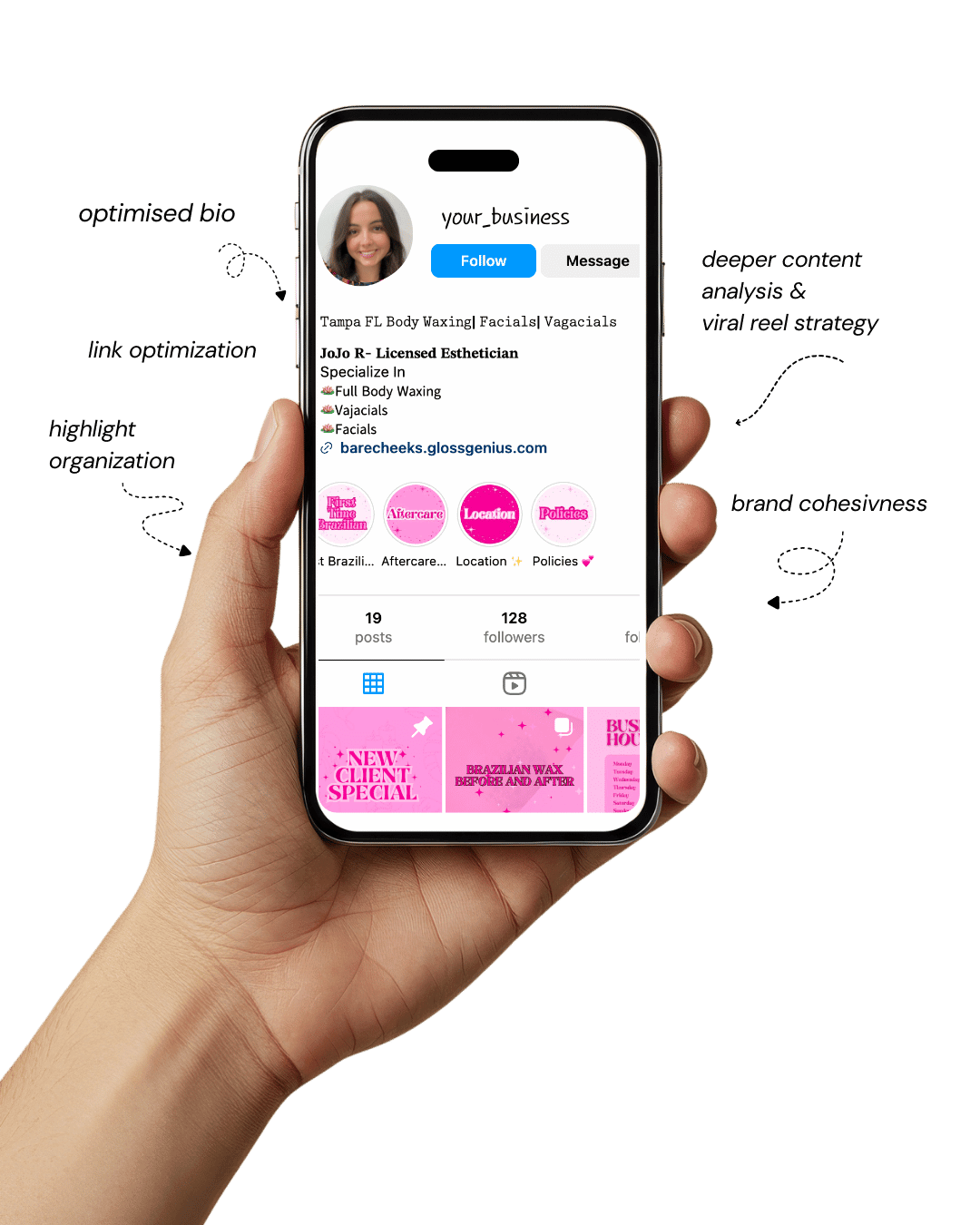
Your Instagram isn’t the problem.
The strategy is.
Get a free, honest audit of your Instagram profile — tailored for beauty, wellness & creative brands.
You’ll receive: profile fixes · content gaps · bio upgrades · content ideas.
I personally review your profile and send a clear, actionable breakdown — no AI, no templates.
In 2026, staying ahead in the digital landscape means understanding what actually works for your audience — and this is why crafting a marketing strategy social media plan has never been more important.
Social platforms are evolving at lightning speed, and traditional approaches alone no longer guarantee visibility, engagement, or conversions.
Entrepreneurs, working professionals, and thought leaders need strategies that combine creativity, data, and trend-awareness to truly make an impact.
A solid marketing strategy social media approach allows you to plan campaigns that resonate with your target audience, optimize content performance, and ensure that every post contributes to your business objectives.
With precise targeting, analytics, and experimentation, you can not only improve reach but also enhance brand credibility and audience loyalty.
This article breaks down some actionable strategies for 2026, each backed by professional insights and technical details often overlooked by beginners.
From algorithm-savvy content planning to leveraging micro-influencers, these approaches are designed to help you create measurable impact.
By the end, you’ll have a clear roadmap to implement a marketing strategy social media plan that’s efficient, modern, and results-driven.
Why a Marketing Strategy Social Media Matters

A strong marketing strategy social media plan is essential because it transforms your online presence from random posting to a calculated, results-oriented approach.
Without a strategy, businesses and creators risk wasting time, money, and effort on content that fails to engage or convert.
Having a structured plan ensures consistency in messaging, branding, and posting frequency—three factors that significantly boost credibility and audience trust.
Moreover, social media algorithms reward consistency and engagement, so a well-planned strategy directly contributes to reach and visibility.
Another reason it matters is data-driven decision-making. By integrating analytics, performance tracking, and trend monitoring, you can refine your content, test hypotheses, and pivot quickly.
Many creators overlook metrics like engagement rate per content type, optimal posting times, and platform-specific audience behavior, but these insights are the backbone of effective campaigns.
A thoughtful marketing strategy social media plan also maximizes ROI. Each post, story, or campaign aligns with objectives such as lead generation, brand awareness, or product promotion.
Ultimately, investing in strategic planning ensures your social efforts are intentional, measurable, and impactful, helping you build authority, influence, and growth over time.
1. Leverage Short-Form Video Trends
Short-form video content continues to dominate platforms like TikTok, Instagram Reels, and YouTube Shorts.
Integrating this into your marketing strategy social media ensures your brand stays relevant and highly discoverable. These videos work best when concise, visually engaging, and informative or entertaining.
Technical detail many overlook: lighting and framing are critical. Use a ring light or softbox for clean visuals, and shoot vertically to maximize screen real estate.
Captioning is equally essential, as many users watch without sound. Tools like motion graphics or animated text overlays increase engagement significantly.
For 2026, focus on trends without being gimmicky. Incorporate challenges, tutorials, behind-the-scenes footage, or product demos.
Consistency is key — posting 3–5 short-form videos per week can drastically improve algorithmic favorability.
By making short-form video central to your marketing strategy social media, you attract younger audiences, boost shareability, and create content that’s both discoverable and memorable.
2. Optimize Content for Algorithm Signals
Understanding and leveraging platform algorithms is a crucial part of any marketing strategy social media.
Algorithms prioritize content based on engagement, watch time, saves, shares, and consistency. Ignoring these factors means your posts may never reach the intended audience.
A technical nuance often missed: track how each content type performs in relation to these metrics. Use insights dashboards to analyze which formats, times, and styles trigger the most positive signals.
For instance, carousels may generate saves on Instagram, while short videos boost watch time on TikTok.
Implementing a posting schedule aligned with peak engagement times and combining it with interactive elements like polls, quizzes, or CTAs enhances visibility.
By designing your content with algorithmic behavior in mind, your marketing strategy social media becomes smarter and more efficient, helping you reach wider audiences organically while saving budget on paid promotion.
3. Leverage Micro-Influencer Partnerships
Micro-influencers offer highly engaged audiences at a fraction of the cost of macro influencers, making them a key tool in a modern marketing strategy social media.
Collaborations can range from product reviews and tutorials to takeovers and co-created content.
Technical detail often overlooked: always verify engagement quality, not just follower count.
Look for influencers whose audience overlaps with your target demographic and who demonstrate authentic interaction.
Provide clear campaign guidelines but leave creative freedom, as over-scripted content often underperforms.
Measuring success requires tracking UTM links, engagement rates, and conversion metrics.
Micro-influencers’ authenticity tends to drive higher trust, resulting in more clicks, leads, and long-term brand awareness.
Incorporating them strategically into your marketing strategy social media ensures consistent exposure, credibility, and meaningful engagement at lower costs than large-scale campaigns.
4. Interactive and Poll-Based Content
Interactive content is a powerful tool in a results-driven marketing strategy social media.
Polls, quizzes, Q&A sessions, and “choose your adventure” posts increase engagement, improve retention, and give insight into audience preferences.
A technical tip: platform-native interactive tools perform better than third-party widgets.
For example, Instagram Stories polls, Twitter polls, and LinkedIn polls get higher algorithmic favorability. Track response rates and follow up with content tailored to audience feedback.
Interactive content also encourages repeat visits, as users check back to see results or participate in new polls.
For product launches or market research, integrating these elements provides real-time insights.
Using polls strategically in your marketing strategy social media helps foster community, collect actionable data, and keep your content dynamic and audience-centric.
5. Repurpose Content Across Platforms
Repurposing is an efficient and strategic approach within a marketing strategy social media plan.
A single piece of content can become multiple assets: blog posts into threads, webinars into clips, or long-form videos into short reels.
Technical detail often overlooked: adapt formats for each platform.
A 2-minute TikTok clip may need subtitles, while the same content on LinkedIn benefits from professional captions and a call-to-action. Ensure aspect ratios and resolutions match platform requirements.
Repurposing saves time, extends reach, and ensures consistent messaging. Analytics help identify which content performs best on which platforms, enabling smarter allocation of resources.
By embedding content repurposing into your marketing strategy social media, you maximize ROI, reinforce your message, and maintain a constant, high-quality presence across channels.
6. Build a Community Through Groups and Forums
Creating and nurturing online communities is a vital component of a results-driven marketing strategy social media.
Groups on Facebook, LinkedIn, Discord, or Slack provide a space for meaningful conversations, feedback, and loyal engagement.
Technical tip often overlooked: consistency and moderation are crucial. Regularly post value-driven content — tips, behind-the-scenes insights, and discussion prompts — while actively engaging with comments.
Automated bots can help monitor activity, but personal interaction drives trust and retention.
Communities also allow you to test new ideas and gather instant feedback before full-scale launches. Members feel invested, which increases word-of-mouth promotion.
By integrating community-building into your marketing strategy social media, you not only create loyal followers but also gain valuable insights, foster long-term engagement, and generate organic growth for your brand.
7. Use Data-Driven Content Planning
Data is the backbone of an effective marketing strategy social media. Content planning informed by analytics ensures that every post contributes to measurable goals, rather than relying on intuition alone.
Technical detail often missed: use platform-specific insights to track performance trends — engagement rates, click-throughs, conversions, and audience demographics.
Tools like Google Analytics, Sprout Social, or Hootsuite can automate data collection and reporting, helping you make informed decisions.
A strategic calendar should align content types (video, carousel, post) with trending topics and audience behavior. Segment campaigns by audience persona for targeted relevance.
Using data-driven content planning in your marketing strategy social media ensures efficiency, maximizes ROI, and allows for quick pivots based on real performance metrics rather than guesswork.
8. Leverage User-Generated Content (UGC)
User-generated content is a powerful tactic in a modern marketing strategy social media. Sharing content created by your followers or customers boosts authenticity, trust, and engagement.
Technical nuance often overlooked: always maintain quality standards. Curate content that aligns with your brand aesthetics and ask permission before reposting. Adding branded hashtags encourages wider participation and makes tracking easier.
UGC also reduces content creation costs while building community advocacy. Campaigns featuring UGC can highlight products, testimonials, or experiences in a way that feels genuine.
By strategically including user content in your marketing strategy social media, you increase credibility, foster loyalty, and create a feedback loop where your audience actively contributes to your brand’s story.
9. Optimize for Search and SEO
Optimizing social content for search is a key part of any forward-thinking marketing strategy social media. Platforms like YouTube, Instagram, and LinkedIn rely heavily on keywords, hashtags, and captions to surface content.
Technical detail often missed: research high-traffic, niche-specific keywords and incorporate them naturally into posts, captions, and hashtags.
For video, include closed captions and transcripts to improve searchability. Optimize profile descriptions and links as well.
SEO-driven social content ensures your posts remain discoverable over time, rather than disappearing after a day. Combining this with content trends amplifies reach.
By integrating search optimization into your marketing strategy social media, you can attract new followers, drive traffic to your website, and ensure long-term visibility across platforms.
10. Test Paid Ads Strategically
Paid advertising remains a critical part of an effective marketing strategy social media, but success requires precision and testing. Simply boosting posts rarely delivers consistent ROI.
Technical tip: run small A/B tests on creatives, captions, and audience segments before scaling. Track metrics such as CTR, CPM, and conversion rate to determine the most effective combination.
Platforms like Meta Ads Manager, TikTok Ads, and LinkedIn Campaign Manager provide granular insights for optimization.
Combine paid campaigns with organic strategies. For example, amplify top-performing posts or retarget users who engaged with previous content.
By testing paid ads strategically within your marketing strategy social media, you maximize budget efficiency, gain actionable insights, and drive measurable growth while supporting long-term engagement goals.
11. Collaborate with Other Brands
Strategic collaborations with complementary brands are a powerful way to expand reach and engagement in a marketing strategy social media.
Co-branded campaigns, giveaways, or joint content expose your profile to new audiences while maintaining brand credibility.
Technical detail often overlooked: choose partners whose audience aligns closely with yours, and define clear objectives and roles for each party.
Track engagement, follower growth, and conversions to measure success accurately. A formal collaboration agreement can prevent miscommunications and protect your brand.
Cross-promotion works best when campaigns feel authentic and provide value to both audiences.
By integrating collaborations into your marketing strategy social media, you can leverage shared credibility, broaden your network, and create mutually beneficial content that drives awareness, engagement, and conversions.
12. Invest in High-Quality Visuals
High-quality visuals are the cornerstone of a professional marketing strategy social media. Crisp photography, well-edited videos, and consistent branding elevate engagement and trust.
Many creators underestimate technical details: proper lighting, composition, and color grading dramatically affect perceived professionalism.
Use high-resolution images, consistent aspect ratios, and brand-aligned colors to maintain visual consistency. Video should be stabilized, well-lit, and edited for pacing and clarity.
Consistent, polished visuals not only improve engagement but also make your content more shareable and memorable.
Integrating high-quality visuals into your marketing strategy social media ensures that every post reflects your brand’s standards, making a lasting impression on followers and potential customers.
13. Prioritize Stories and Ephemeral Content
Stories, Reels, and other ephemeral content are essential for a modern marketing strategy social media. Their temporary nature encourages frequent engagement and keeps your brand top-of-mind.
Technical tip: use analytics to identify which story formats drive the most views, interactions, or clicks. Incorporate stickers, polls, swipe-ups, or CTAs to maximize engagement.
Many brands fail to sequence stories effectively; plan them to tell a cohesive narrative rather than isolated posts.
Ephemeral content is ideal for behind-the-scenes glimpses, limited-time offers, or interactive Q&A sessions.
Including this in your marketing strategy social media fosters intimacy, boosts algorithmic favorability, and strengthens your relationship with your audience.
14. Embrace Trend-Driven Content Quickly
Trend responsiveness is a hallmark of an agile marketing strategy social media. Capitalizing on memes, viral audio, or trending topics increases visibility and shows your brand is current.
Technical note: monitor platforms daily to spot trends early, and create content that aligns naturally with your brand.
Avoid jumping on irrelevant trends, which can appear forced. Tools like Trend Reports, TikTok Creative Center, and social listening software help identify opportunities in real-time.
When executed well, trend-driven content amplifies reach, engagement, and audience relatability.
Integrating timely trends strategically into your marketing strategy social media positions your brand as culturally aware, relevant, and adaptable, attracting attention without diluting your core message.
15. Use Analytics to Refine and Scale
The final piece of a high-performing marketing strategy social media is rigorous analysis and iteration. Track metrics like reach, engagement, conversions, follower growth, and click-through rates to determine what works.
Technical detail often missed: segment analytics by content type, posting time, and audience demographic.
Identify patterns to refine strategy, double down on successful formats, and cut underperforming content. Utilize dashboards like Sprout Social, Hootsuite, or native analytics for comprehensive reporting.
Scaling comes from repeated testing, optimization, and reinvestment in high-performing campaigns.
By incorporating analytics as a core part of your marketing strategy social media, you ensure that every effort contributes to measurable growth, efficiency, and long-term success.
Additional Steps to Improve Results

Beyond these 15 strategies, several supplemental steps can further enhance your marketing strategy social media results.
1. Consistent Branding
Maintain consistent colors, typography, and tone across all platforms. Consistency builds recognition and reinforces credibility.
2. Automation and Scheduling
Use scheduling tools like Buffer or Later to maintain a consistent posting rhythm. Automating repetitive tasks saves time without sacrificing engagement.
3. Audience Segmentation
Create content tailored to specific audience groups or personas. Segmentation improves relevance and conversion rates.
4. Continuous Learning
Stay updated on algorithm changes, platform features, and emerging content formats. Social media evolves rapidly, and agility is key.
5. Experimentation and Testing
Try new formats, captions, posting times, and creative angles. Track results, analyze performance, and iterate.
Implementing these steps alongside the 15 strategies ensures a comprehensive, adaptive, and results-driven marketing strategy social media.
It allows brands to refine campaigns, boost engagement, and maximize ROI consistently.
Final Words
In 2026, a successful marketing strategy social media combines creativity, data, and adaptability.
The strategies outlined here — from short-form videos and micro-influencer partnerships to analytics-driven iteration — provide a roadmap for brands, entrepreneurs, and professionals looking to thrive online.
Social media is not just about visibility; it’s about building credibility, fostering engagement, and delivering measurable results.
Incorporating technical best practices like trend monitoring, high-quality visuals, and interactive content enhances every strategy’s effectiveness.
Consistency, experimentation, and responsiveness remain critical to staying ahead.
By integrating these strategies thoughtfully into your marketing strategy social media, you create a cohesive approach that not only attracts followers but converts them into loyal advocates.
With the right mix of strategy, creativity, and analysis, your social media efforts in 2026 can drive real growth, influence, and success for your brand or business.