
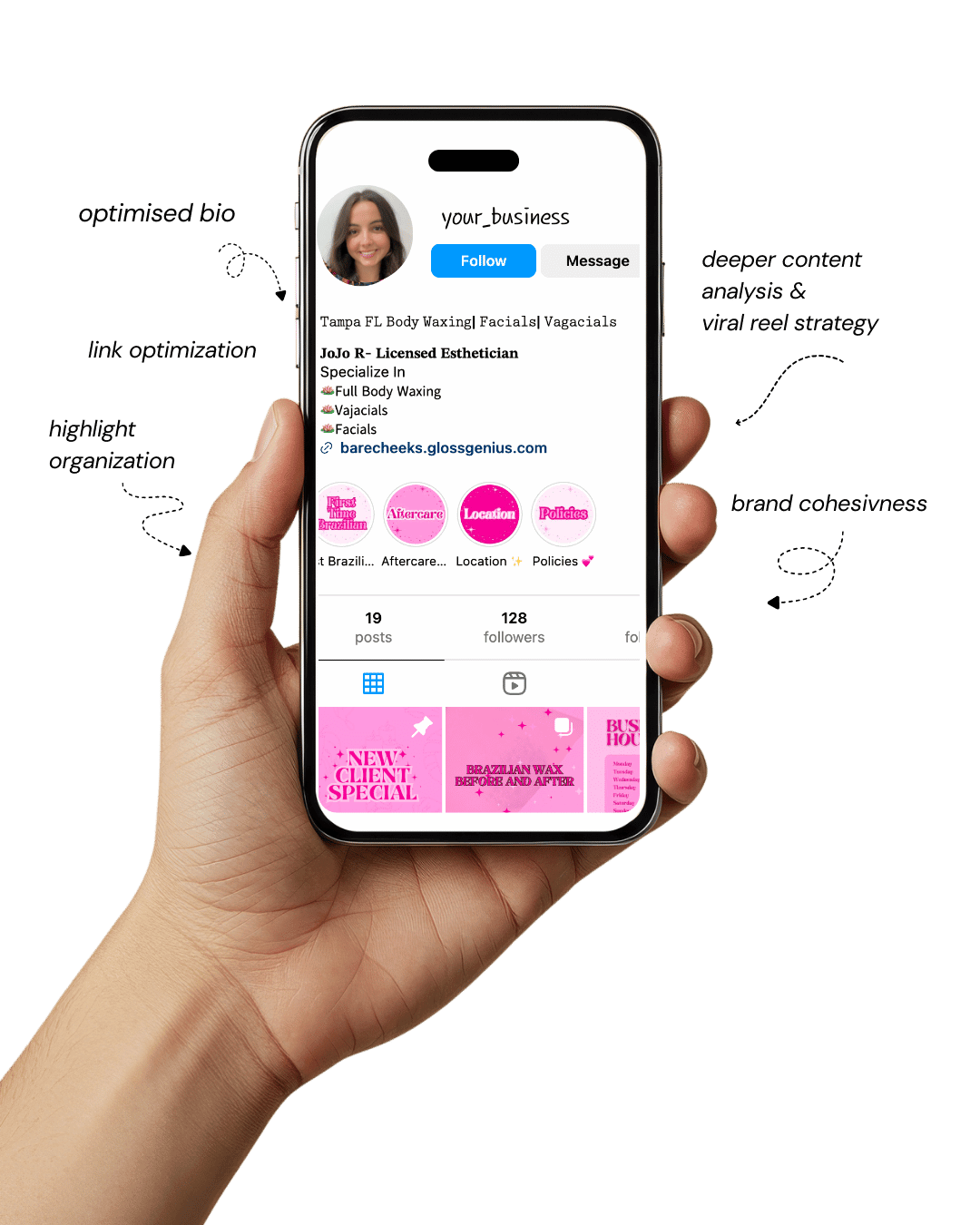
Your Instagram isn’t the problem.
The strategy is.
Get a free, honest audit of your Instagram profile — tailored for beauty, wellness & creative brands.
You’ll receive: profile fixes · content gaps · bio upgrades · content ideas.
I personally review your profile and send a clear, actionable breakdown — no AI, no templates.
Real Estate Marketing is one of the biggest leverage points new agents can master early on, because it shapes how clients find you, remember you, and trust you.
Many beginner agents assume success is based purely on hustle or referrals, but the truth is that strategic Real Estate Marketing can compress your learning curve and bring you quality leads faster than almost anything else.
Without a solid plan, even talented realtors end up blending in with the noise, missing out on opportunities that competitors capture simply because they positioned themselves intentionally.
This article breaks down practical, beginner-friendly ideas that work in the real world—not generic tactics that everyone repeats.
You’ll discover small yet impactful techniques most new agents overlook, such as micro-branding, neighborhood-level targeting, and ways to ethically “borrow authority” from established local businesses.
Each strategy is designed to help you stand out, simplify daily lead generation, and build systems that compound over time.
Whether you’re starting your first year as an agent or expanding your efforts, these Real Estate Marketing insights will help you build a strong foundation that supports long-term success.
Why These Real Estate Marketing Ideas Matter

Before diving into the list, it’s important to understand why these Real Estate Marketing methods can transform your career.
New agents often jump between random tactics — they try a postcard here, a social media post there — without ever creating consistency.
The power of Real Estate Marketing lies not in one great campaign but in the way multiple small strategies work together to reinforce your presence.
When potential clients see you online, offline, and through shared networks, you shift from being “another realtor” to a recognizable local expert.
A second reason these ideas matter: buyers and sellers now expect agents to demonstrate value before they ever reach out.
Your Real Estate Marketing efforts become your portfolio. The quality of your photos, your storytelling, your digital footprint, and your community involvement all signal professionalism.
When done right, these strategies warm up leads long before you ever meet them.
Finally, the following ideas matter because they teach you habits that scale. Many new agents rely heavily on immediate lead-generation tactics, but the real advantage comes from building durable, compounding systems.
These strategies give you a balanced mix of quick wins and long-term brand builders. Used together, they set the stage for steady growth and higher-quality clients.
1. Build a Micro-Brand Around a Hyperlocal Niche
One of the strongest Real Estate Marketing moves you can make early on is creating a micro-brand.
Instead of marketing yourself as a general realtor, define a very specific geographic pocket or property type you want to be known for.
This could be historic neighborhoods, waterfront condos, or even communities with solar-ready homes.
When you build a brand around a niche, people associate you with expertise rather than general skills. That mental shortcut makes them more likely to trust you.
Few new agents realize that hyperlocal branding improves search rankings, too. Google rewards specificity.
If you consistently post about a certain neighborhood, you become the “unofficial expert,” and that positioning increases organic inquiries.
This approach also simplifies your Real Estate Marketing since you always know what content to create: local updates, market snapshots, neighborhood stories, and hidden gems.
Consistency wins, and nothing drives it more naturally than branding yourself around a specific niche.
2. Master One Social Platform Before Expanding
Many new agents feel pressured to be everywhere at once, but effective Real Estate Marketing often begins with mastering one platform deeply.
Whether it’s Instagram, TikTok, Facebook, or LinkedIn, choose the one where your ideal clients already spend time.
Study how the platform works, test different content types, and understand which posts actually convert. Most realtors never gather this data because they spread themselves too thin from day one.
By focusing on one platform, you get faster results, stronger engagement, and a more refined brand voice.
You also avoid wasting hours creating content that doesn’t match the mindset of your audience.
Once you achieve predictable engagement and lead flow from that platform, you can cross-distribute your content to others without doubling your work.
This approach keeps your Real Estate Marketing efforts sustainable and prevents burnout. In the long run, a single well-optimized platform can outperform five mediocre ones.
3. Use High-Intent Local SEO Tactics
While most agents focus on general SEO, few take advantage of high-intent, hyperlocal search terms that buyers and sellers actually use.
Real Estate Marketing becomes far more effective when you optimize content for phrases like “best schools in [neighborhood]” or “average HOA fees in [community].”
These are questions serious movers search for when making decisions. If your website or blog provides clear answers, you instantly build trust and authority.
Another underestimated tactic is optimizing your Google Business Profile weekly. Upload fresh photos, add short updates, and encourage clients to leave detailed reviews that mention neighborhoods or property types.
Google uses this information to match your profile with relevant searches. Agents who update their profile regularly often see a measurable increase in calls and direction requests.
Local SEO isn’t glamorous, but its compounding benefits make it one of the smartest Real Estate Marketing strategies today.
4. Create Short Neighborhood “Walk-and-Talk” Videos
People love authentic, unpolished content that feels real. Walk-and-talk neighborhood videos are one of the most underrated Real Estate Marketing tools because they show personality, confidence, and genuine local expertise.
All you need is your phone, a quiet sidewalk, and a simple angle: highlight what makes the area appealing.
Instead of focusing only on home values, mention everyday lifestyle factors—parking availability, hidden coffee shops, dog-friendly parks, and seasonal events.
Bonus insight: platforms like TikTok and Instagram love movement-based videos because they hold attention longer.
You don’t need fancy editing; your authenticity becomes the asset. These videos also help out-of-state buyers visualize neighborhoods, which can lead to faster trust-building.
New agents often assume they need listings to create good content, but walk-and-talks prove the opposite.
With consistent posting, this simple Real Estate Marketing technique can turn you into a recognizable local guide.
5. Build a Lead Magnet Buyers Actually Want
Most realtors create generic buyer guides that people rarely read. Instead, craft a lead magnet that solves a hyper-specific, high-value problem.
For example: “10 FHA-Approved Condo Buildings Under $500K in [Your City]” or “The First-Time Seller’s Cost Breakdown With Real Numbers.” When your lead magnet shows insider knowledge, it instantly elevates your Real Estate Marketing.
The secret is adding details not found in typical guides — closing cost ranges, negotiation examples, inspection pitfalls, or mortgage myths.
These are the things buyers genuinely care about. A thoughtful lead magnet positions you as a transparent, trusted advisor rather than a salesperson.
Use it across ads, website pop-ups, or social DMs. Even if you’re new, this strategy helps you collect leads daily while your brand grows. The more specific the magnet, the higher the conversion rate.
6. Partner With Local Small Businesses
Real Estate Marketing grows exponentially when you tap into the audiences local businesses have already built. Instead of asking for referrals, approach small business owners with a value-first mindset.
Create collaborative content: a bakery tour, a coffee-shop spotlight, or a behind-the-scenes chat with a local builder. These videos or posts humanize you and give your partner shareable content too.
The overlooked advantage is access to their customer base. Many small businesses will happily share your content because it supports their brand.
You gain exposure to a local, loyal audience without spending money on ads. This strategy also strengthens your community positioning — which helps your Real Estate Marketing long-term.
People work with agents who genuinely support their neighborhoods. Simple collaborations can build trust faster than any billboard.
7. Build a System for Collecting High-Quality Reviews
Most agents wait for clients to write reviews, but successful Real Estate Marketing requires a system that encourages them at key moments.
Ask for a review right after a win-moment: accepted offer, smooth closing, or when you solve a problem creatively. People are more willing to write detailed reviews when emotions are high.
Provide clients with prompts that help them write specifics. For example: “Describe what neighborhood you bought in,” or “Share one challenge we solved together.”
Google prioritizes reviews with contextual details because they help match your profile to more searches. This small tactic dramatically improves your visibility.
Another trick: keep a swipe file of your best review phrases to inspire new clients.
When reviews tell a story, they feel genuine and boost your Real Estate Marketing credibility. Over time, reviews become digital assets that work for you 24/7.
8. Use Data-Based Storytelling on Social Media
Instead of posting basic market updates, turn data into relatable stories. Real Estate Marketing becomes more memorable when you explain why numbers matter.
For example: instead of “Inventory is up 12%,” say, “Buyers in [neighborhood] now have almost double the choices compared to spring — meaning you can negotiate better inspections and closing terms.” This brings the data to life.
Another advanced detail: zoom into micro-data like price shifts in specific school zones or market changes within certain property types.
Few agents discuss this, but it’s exactly what serious buyers want. Storytelling turns you into an educator, which earns more trust than generic stats.
This content also performs well on video because people love quick insights that make them feel smarter.
When you consistently break down data in a human way, your Real Estate Marketing stands out, and clients start relying on you for clarity — not just listings.
9. Offer a “Pre-Market Seller Report”
Most sellers want to know what improvements actually matter. Instead of offering a standard CMA, create a “Pre-Market Seller Report.”
It includes a property walkthrough, a small list of repairs with ROI estimates, comparable homes, and buyer demand indicators.
This Real Estate Marketing technique sets you apart because it shows you think like a strategist, not just a salesperson.
Include insights few agents mention: which upgrades don’t matter in your area, how lighting affects perceived value, what buyers expect from homes built in certain decades, or micro-trends like preferred flooring colors. Sellers love specificity.
This report becomes a powerful lead-generation tool when you market it as a free, no-pressure service.
Many people who are “thinking about selling in the next year” will reach out, giving you opportunities long before your competition. It’s a small effort that builds long-term pipeline.
10. Create a Local Resource Map
People moving into a new area are hungry for practical information beyond listings. A custom Google My Map — featuring grocery stores, gyms, playgrounds, pet-friendly spots, and local favorites — adds impressive value.
It’s a highly underrated Real Estate Marketing asset that instantly differentiates you.
You can embed the map on your website, send it to leads, or include it in your buyer consultations.
Bonus tip: add short notes to each location with insider insights — parking tips, lesser-known hours, or why locals love the spot. These micro-details help clients feel connected to the community.
Few realtors take the time to build this, which is exactly why it works. It positions you as someone who truly knows the area.
Clients often share the map with friends or family, giving you organic, referral-style exposure. Simple, helpful tools like this turn casual browsers into warm leads.
11. Use “Just Helped a Client With…” Content
Instead of traditional “Just Sold” posts, switch to “Just Helped a Client With…” content. This Real Estate Marketing method reframes your work around problem-solving rather than self-promotion.
For example: “Just helped a client negotiate a $9,000 credit after a tricky inspection,” or “Just helped a buyer win an offer with a rent-back agreement.”
People love seeing the behind-the-scenes aspects of real estate because it demonstrates real value.
It also teaches your audience things they didn’t know — like contingencies, appraisal strategies, or how to navigate multiple-offer situations.
This type of content builds trust faster, especially for newer agents who may not have many closings yet.
You can highlight renting, consulting, or prepping homes too. The goal is to show how you solve real problems, not just display achievements.
This more transparent approach strengthens your Real Estate Marketing and attracts clients who value expertise.
12. Run Low-Budget Geo-Targeted Ads
You don’t need a big budget to run effective Real Estate Marketing ads. Instead of targeting your entire city, narrow your audience to a few neighborhoods where you want to build authority.
A small daily budget — $3 to $5 — is often enough to stay top-of-mind.
Use ad creatives that speak directly to local concerns, such as school boundary shifts, new construction updates, or HOA fee comparisons.
Hyper-specific messaging makes your ads feel personalized and relevant. Another tip most agents miss: test videos featuring your face.
Platforms reward human-centered content, and recognition alone can generate inbound conversations.
The real benefit of these ads isn’t instant leads — it’s brand consistency. When people in your target area see your name frequently, they begin associating you with expertise, even if they’ve never met you.
Over time, this lifts all your other Real Estate Marketing efforts, from social content to referrals.
13. Host Short but Valuable Live Q&A Sessions
Live sessions — whether on Instagram, TikTok, or Facebook — are powerful Real Estate Marketing tools because they create real-time connection.
But instead of hosting long, complicated events, run short 10–15 minute sessions focused on one clear topic.
For example: “Understanding Your First Inspection,” “How to Compare Condos,” or “New Construction Hidden Costs.”
The key is structure. Start with a quick intro, share three practical tips, then answer questions. This keeps viewers engaged and makes you appear organized and knowledgeable.
Another advantage: lives help platforms boost your visibility, often showing your content to new audiences.
Few beginner agents use live sessions because they feel intimidating, but your authenticity is the strength. People trust agents who communicate clearly under pressure.
These lives also become evergreen content when you save and repurpose them into clips. It’s an efficient way to strengthen your Real Estate Marketing without spending money.
14. Build “Evergreen” Video Assets
Evergreen videos — content that stays relevant for years — act as long-term Real Estate Marketing tools.
Examples include: “How Property Taxes Work in [Your Area],” “The Full Closing Timeline Explained,” or “How to Choose the Right Lender.”
Once created, these videos continue attracting views and leads without additional effort.
The insider trick is to script them carefully using the exact questions clients repeatedly ask you. This ensures your content solves real problems rather than guessing at trends.
Evergreen videos also improve your authority because they demonstrate deep knowledge and clear communication.
Post these on YouTube, embed them on your website, and clip them for short-form content. Over time, you’ll build a library that acts as a silent assistant, warming up leads before they ever reach you.
New agents who invest in evergreen content early often see exponential results as their Real Estate Marketing footprint grows.
15. Maintain a Consistent Follow-Up Routine
Finally, no Real Estate Marketing strategy works without consistent follow-up. Most clients choose the agent who stays present — not the one who contacted them first.
Create a simple follow-up sequence: a welcome message, a helpful resource, a quick check-in, and ongoing value every few weeks. Automated tools make this easy.
What most agents miss is personalization. Mention specific details from previous conversations: school preferences, commute concerns, or desired home features.
Small touches build trust. Even if someone isn’t ready to move yet, they’ll remember the agent who cared about their situation.
Use multiple communication channels — DMs, emails, texts, and voice memos. People respond differently depending on their comfort levels.
A strong follow-up system ensures your Real Estate Marketing is felt consistently, not just occasionally. Over time, this habit turns casual leads into committed clients, creating steady business and referrals.
Other Steps to Improve Your Results

Beyond these strategies, there are additional steps you can take to maximize your Real Estate Marketing efforts.
First, track everything — most agents create content blindly without reviewing performance metrics.
Record which posts, emails, and conversations lead to actual inquiries. Data helps you refine your messaging so you attract higher-quality clients with less effort.
Next, invest in improving your on-camera presence. A strong video presence has become essential in Real Estate Marketing, and even small improvements — better lighting, clearer audio, more confident delivery — can elevate your brand instantly. Consider practicing short scripts or joining workshops to build comfort.
Another overlooked step is building long-term partnerships with lenders, stagers, photographers, and inspectors.
When your service team is strong, your client experience improves, and satisfied clients naturally amplify your marketing.
Lastly, update your branding every six months. This doesn’t mean a full rebrand — just refine your bio, photos, colors, and website sections so everything feels fresh and aligned with your growth.
Real Estate Marketing thrives on clarity and consistency, and these small adjustments keep your presence sharp.
Final Words
Mastering Real Estate Marketing is less about doing everything and more about doing the right things consistently.
The strategies above give beginner agents a balanced mix of creative content ideas, long-term brand builders, and practical lead-generation tools that actually work in today’s competitive market.
If you implement even a handful of these ideas with discipline, you’ll quickly stand out as a trusted local expert.
Remember that marketing compounds. Your videos, reviews, collaborations, and evergreen content continue working for you even when you’re not actively prospecting.
Over time, this creates momentum — clients start finding you, referrals increase naturally, and your confidence grows with each interaction.
The key is to stay authentic and provide real value at every step. When people feel educated, supported, and understood, they choose the agent who made their journey easier. With thoughtful Real Estate Marketing, that agent can be you.