
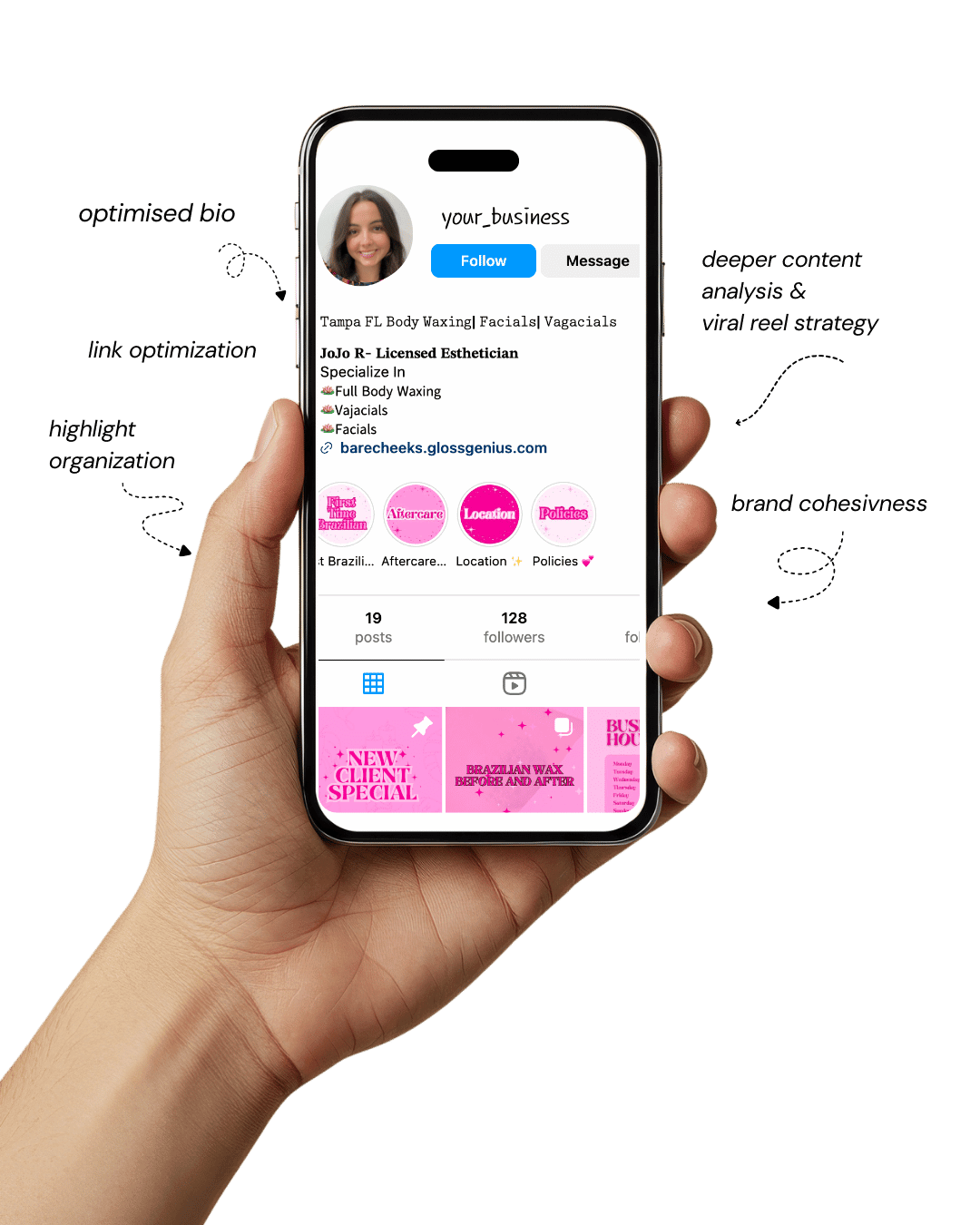
Your Instagram isn’t the problem.
The strategy is.
Get a free, honest audit of your Instagram profile — tailored for beauty, wellness & creative brands.
You’ll receive: profile fixes · content gaps · bio upgrades · content ideas.
I personally review your profile and send a clear, actionable breakdown — no AI, no templates.

Creative marketing photoshoot ideas have the power to shape how people see your brand. Sometimes, it only takes one photo — the kind that makes someone pause for a second and think, there’s something special about this. It’s more than just showing what you sell; it’s about showing how it feels.
You don’t need fancy equipment or a rented studio to do that. Good light, a curious eye, and a bit of patience can turn even simple products into something beautiful.
A candle on a kitchen counter, a mug by the window, a bar of soap catching the sun — small moments like these tell quiet stories that people remember.
Because great photos aren’t made by cameras alone — they’re made by people who care about what they create and want others to feel that too.
1. Try Macro Shots
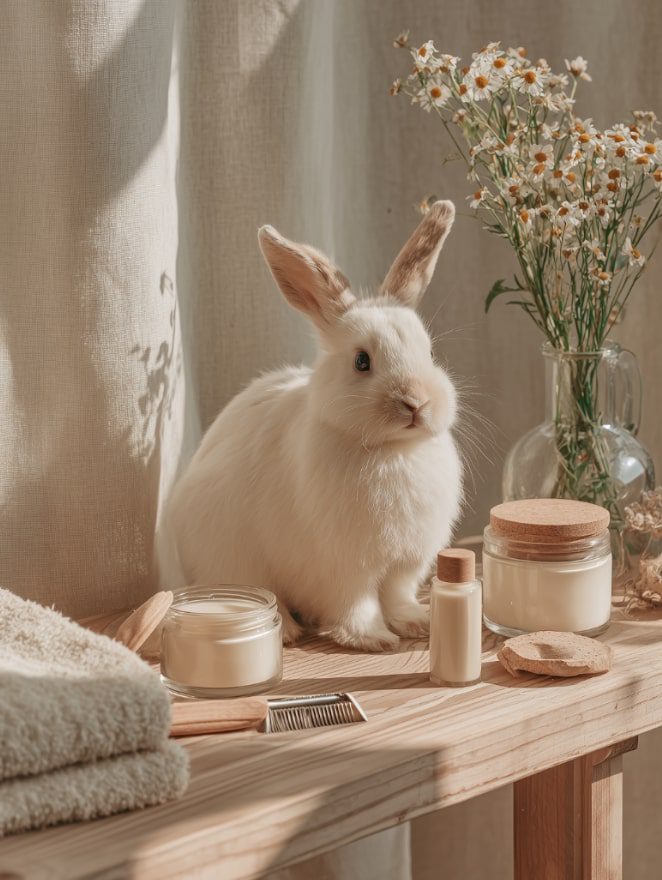
If your product speaks softly rather than loudly — like the quilted texture of a leather wallet or the shimmer within a handmade soap — macro photography captures those subtle details beautifully.
It turns small elements, like the tiny screw holding sunglasses steady, into moments of quiet perfection.
Borrow a clip-on macro lens from a friend, or tape a cheap loupe to your phone. Drape a white bedsheet over a chair to diffuse noon light, and suddenly the ridges on your lip-balm tube look like moon craters carved just for you.
Shoot steady, breathe out slowly, and remember: the closer you get, the more trust you build.
2. Experiment with Floating Objects
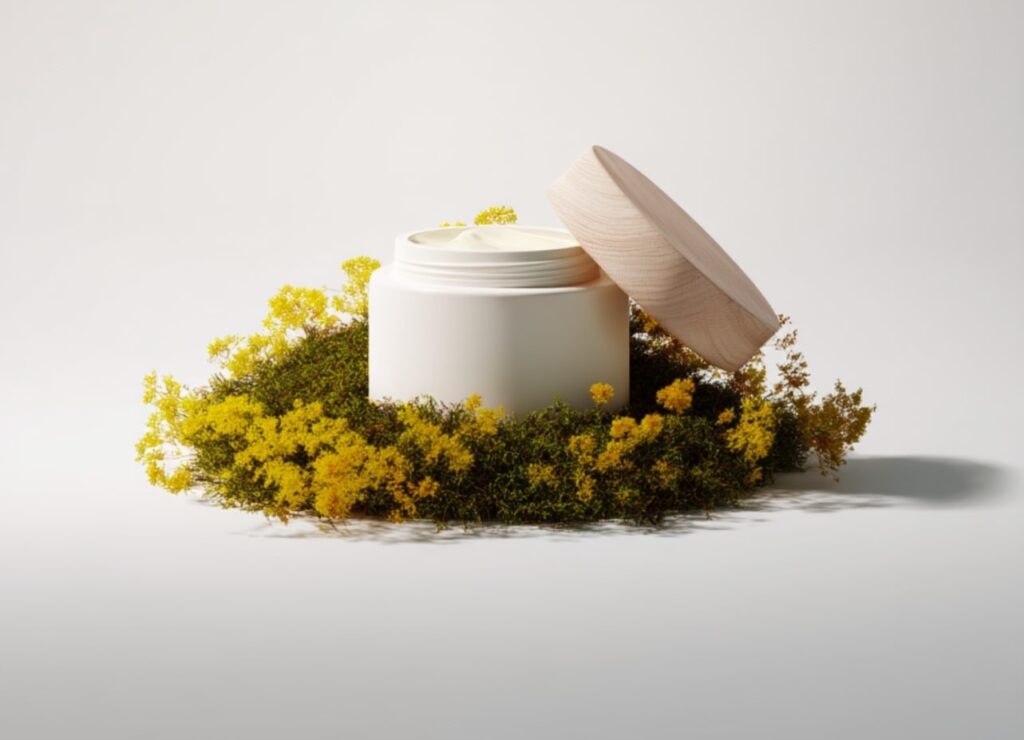
There is a moment in every childhood when you wish the toys would hover mid-air like magic. Give your grown-up customers that same soft gasp by suspending your product on a nearly invisible fishing line.
Tie a double knot around a ceramic mug’s handle, tape the other end to a broomstick balanced between two chairs, and click the shutter while the morning light drifts through the window.
Later, swipe away the line in a free editing app. The mug floats, weightless, as if it’s pausing mid-pour before it lands in someone’s waiting hands. Energy, motion, and a sprinkle of wonder — all for the price of twine and patience.
3. Use a Colored Backdrop
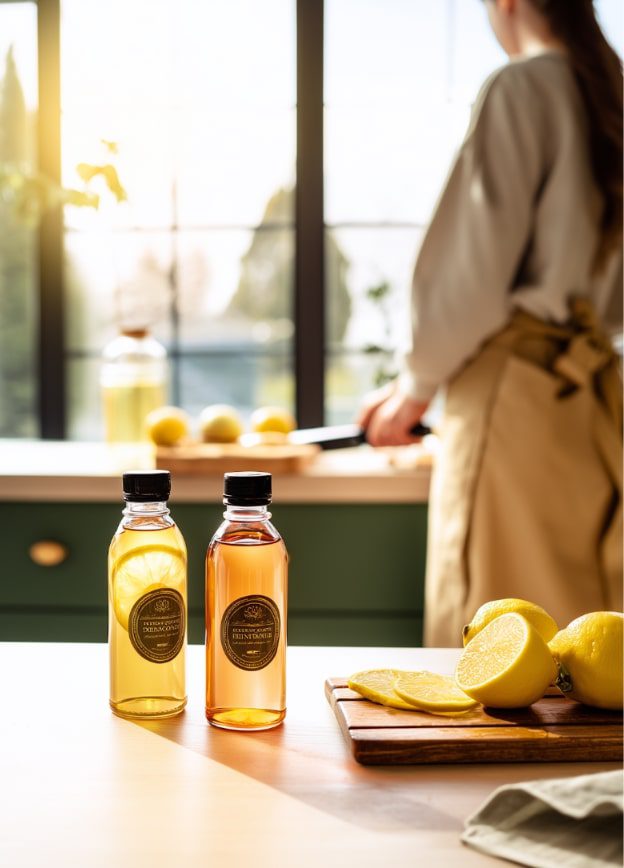
White feels polite, but color starts conversations. Try pairing your product with a faded peach tablecloth that mirrors the blush tint of your serum bottle.
Or place matte-black headphones against a sunflower-yellow backdrop to make them stand out like they’re soaking in a burst of summer energy.
Lean the board against a wall, curve it gently so there’s no horizon line, and let the color wrap your product in a hug. Suddenly your photograph feels like a memory instead of a listing.
4. Try Tabletop Photography
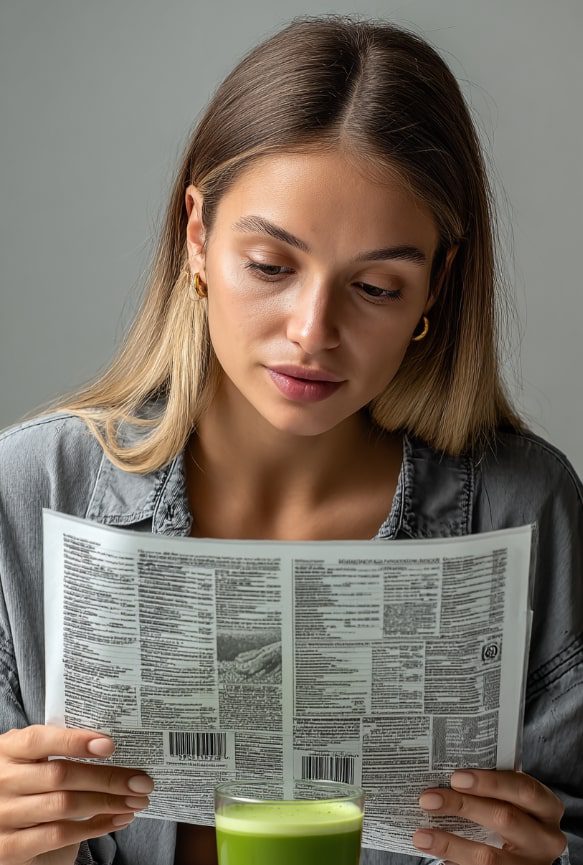
The kitchen table has witnessed homework, breakups, and birthday cakes — let it now host a tiny stage for your product.
Clear the cereal boxes, wipe the honey smudges, and tape down a square of kraft paper.
Arrange three cinnamon rolls, your ceramic plate, and a crumpled linen napkin until the scene looks like Sunday morning paused just for you.
Stand on a sturdy stool, angle your phone directly above, and shoot downward. The photo feels intimate, like a secret note slipped into someone’s lunch bag.
5. Add Some Texture
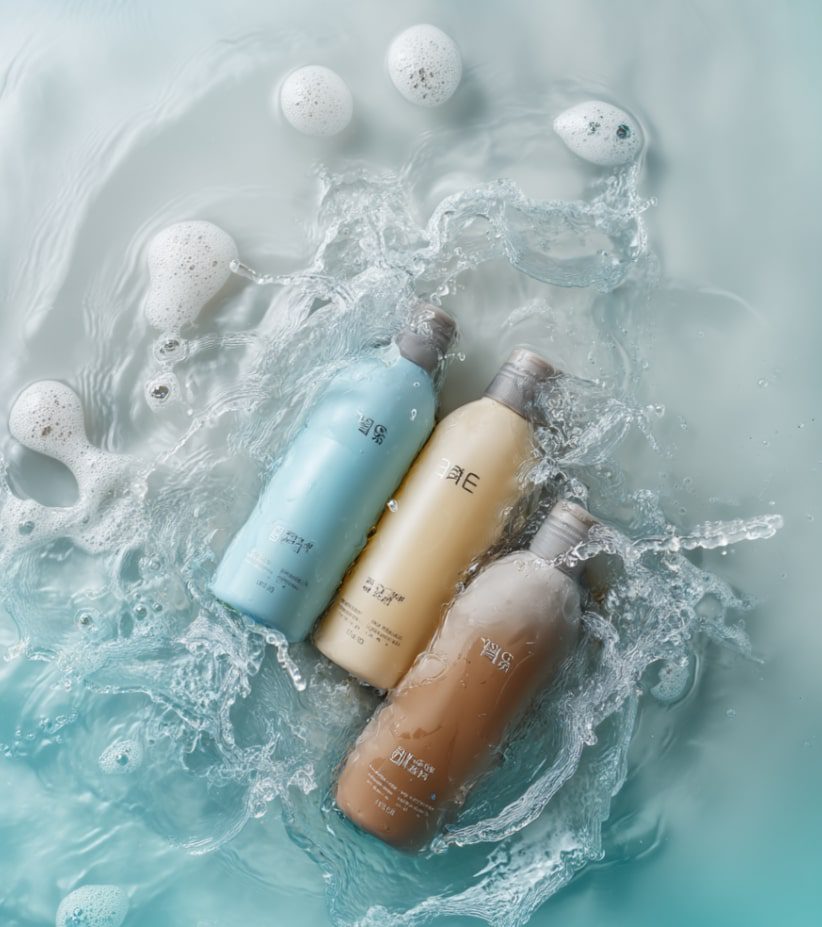
We forget how much we shop with imaginary fingertips. Lay your linen spray across the weathered boards you salvaged from your grandmother’s porch; let the grain tell stories of summer storms and bare feet.
Sprinkle a handful of coarse salt that catches the light like frost. The viewer’s brain quietly rehearses the feel of cool linen against her cheek, and suddenly the price tag feels secondary to the promise of that sensation.
6. Create an Atmosphere
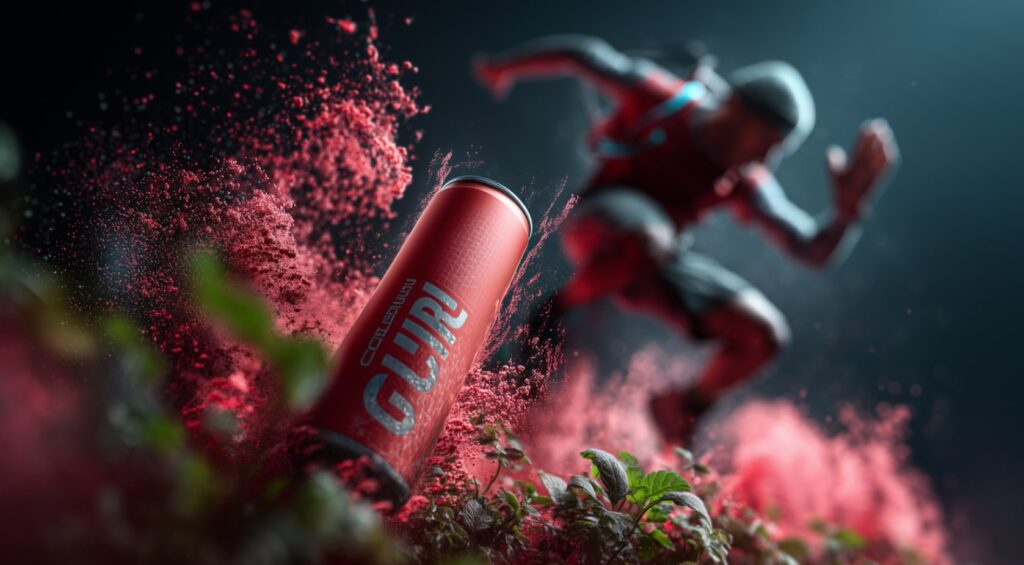
Every product carries a temperature. A cedar candle wants crackling quiet; a neon fanny pack wants rooftop laughter.
Turn off the overhead bulb, strike a match, and let one candle burn just out of frame so the shadows dance.
Play a playlist that matches the mood — slow cello for bath oils, Afrobeat for reusable water bottles — and let the rhythm seep into the way you move the props.
When the air in the room matches the story you’re telling, the camera notices.
7. Go for Lifestyle Shots
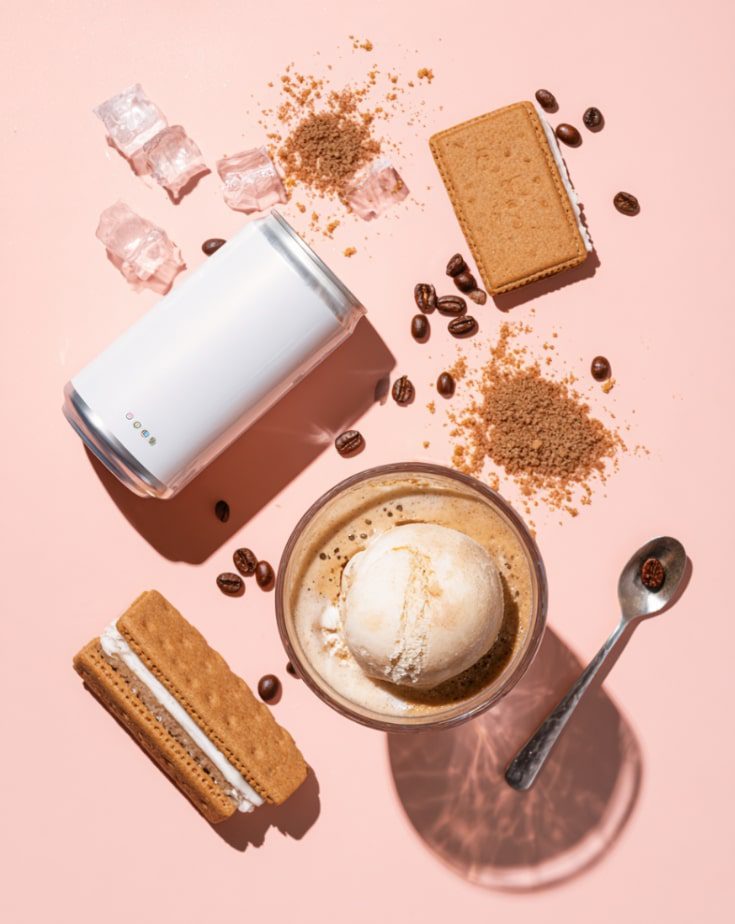
Show your leather backpack sliding off the edge of a diner booth while someone’s favorite song plays on the jukebox.
Capture the moment your enamel mug is lifted toward mountain sunrise, steam curling like a question mark.
These images don’t scream “buy me”; they whisper, “remember when you felt this free?” The customer inserts herself into the frame, and the product becomes a souvenir of a life she hasn’t lived yet.
8. Use Stands and Layers
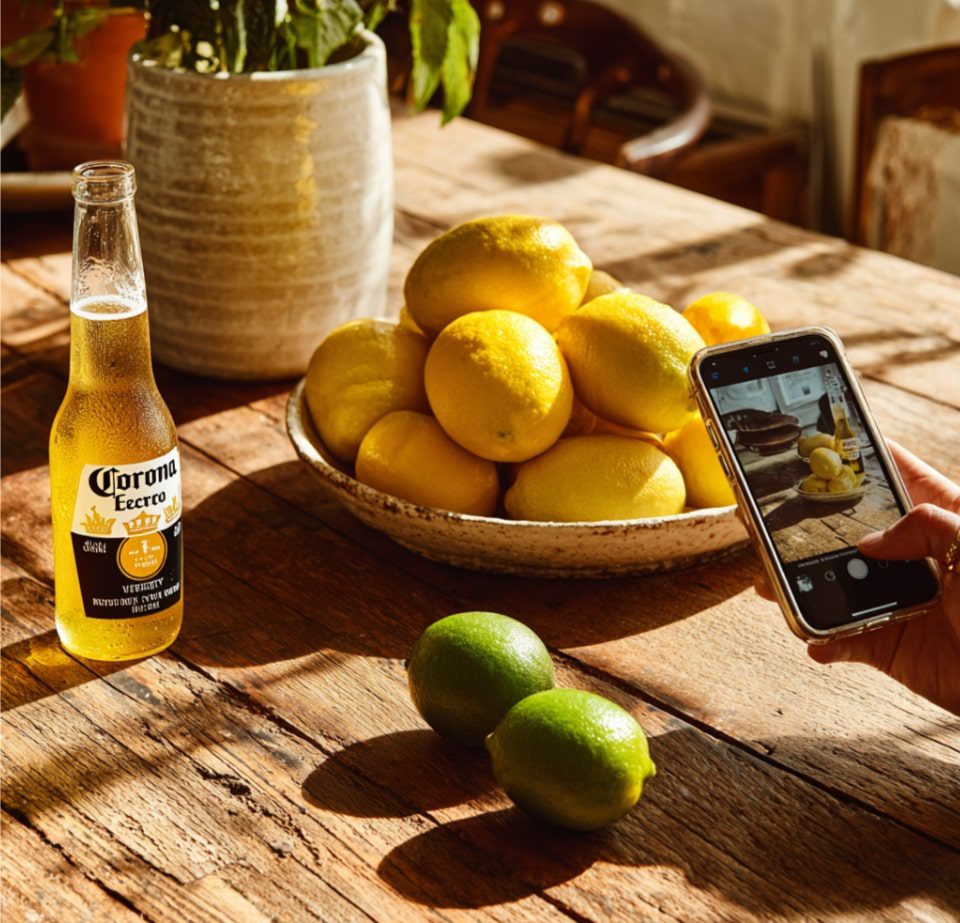
If every item sits on the same plane, the eye yawns. Stack vintage books under one corner of your tray so the perfume bottle tilts toward the light like a sunflower.
Place a smooth river stone beneath a lip gloss so it winks at the camera from a slightly higher throne.
The layers create tiny hills for the eye to climb, and the photograph feels like a landscape instead of a lineup.
9. Take Advantage of Symmetry
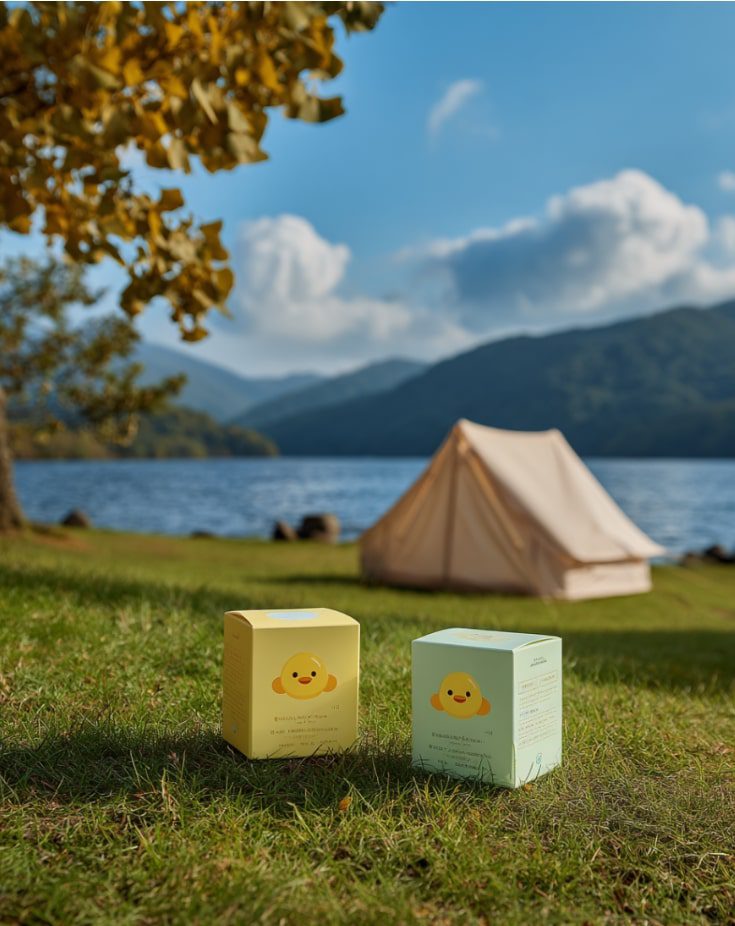
Humans are secretly comforted by mirrors. Arrange four spice jars in a perfect square, labels facing outward like a tiny chorus.
Stand directly in front, hold your breath, and center the lens. The resulting image feels like a deep exhale — the visual equivalent of closing the dishwasher door on a chaotic day.
Use it for banner ads or the hero image on your site; the calm is contagious.
10. Add Depth and Dimension
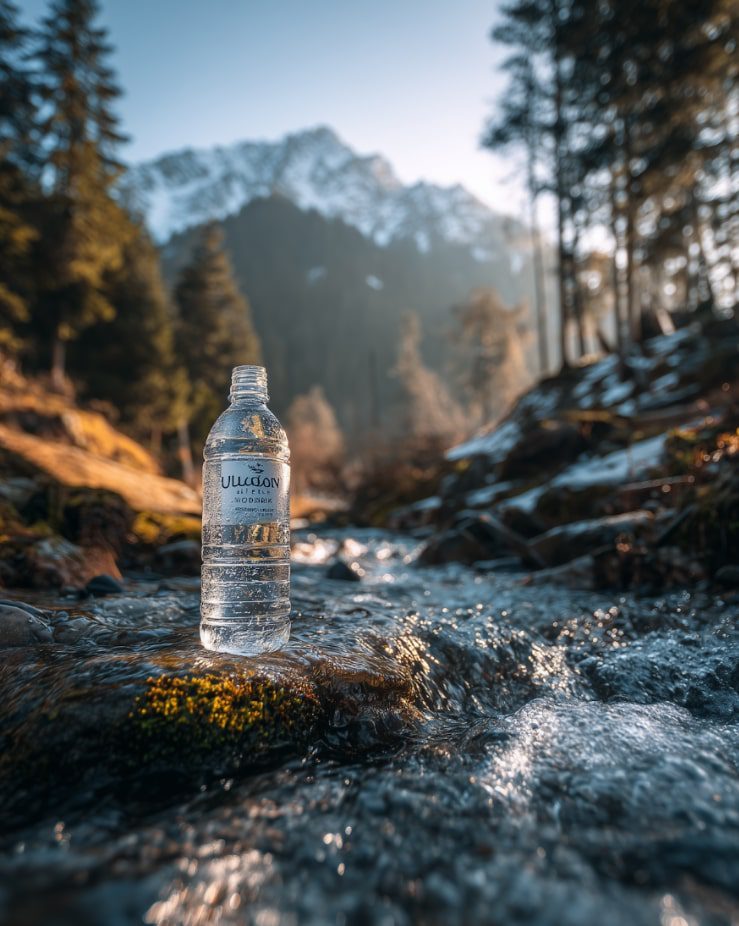
Place your glass water bottle on the reflective surface of your coffee table, then angle a desk lamp so the light skims across it like a low sunrise.
The reflection doubles the bottle, creating a quiet twin that suggests infinite refreshment.
Drop the background into soft blur by switching to portrait mode, and the product emerges from a dreamy haze, three-dimensional and reachable.
11. Work with Models
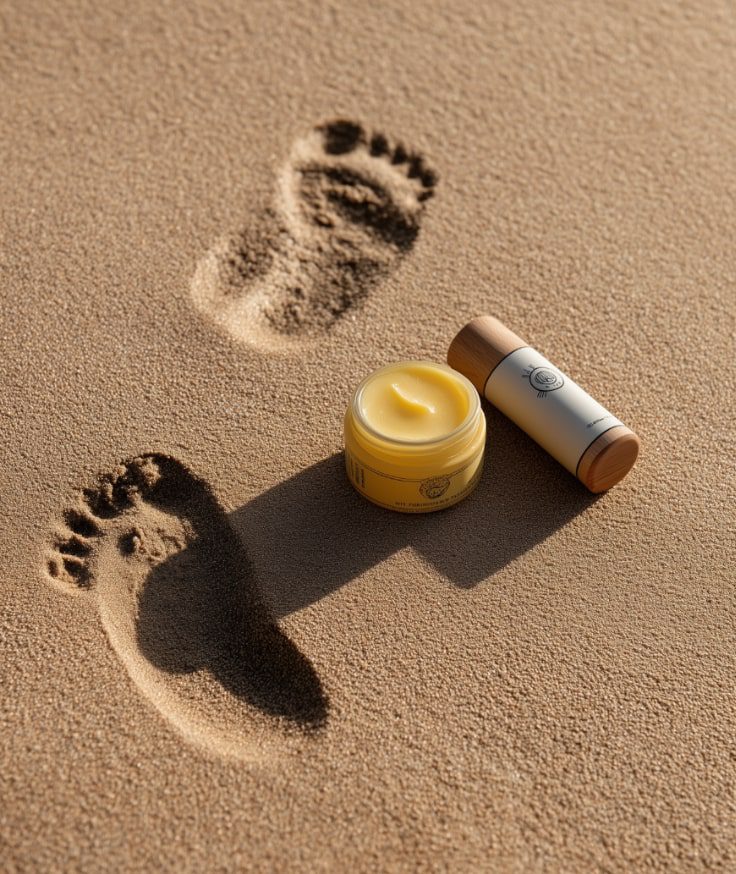
Ask your neighbor’s teenage daughter who dreams of becoming a photographer if she’ll model your handmade scrunchies in exchange for pizza and a few prints.
Let her laugh while she jumps on the trampoline, hair flying, scrunchie holding steady.
The movement shows elasticity, the smile shows joy, and the viewer remembers what it felt like to be fifteen and invincible. Authenticity trumps perfection every time.
12. Add a Human Touch
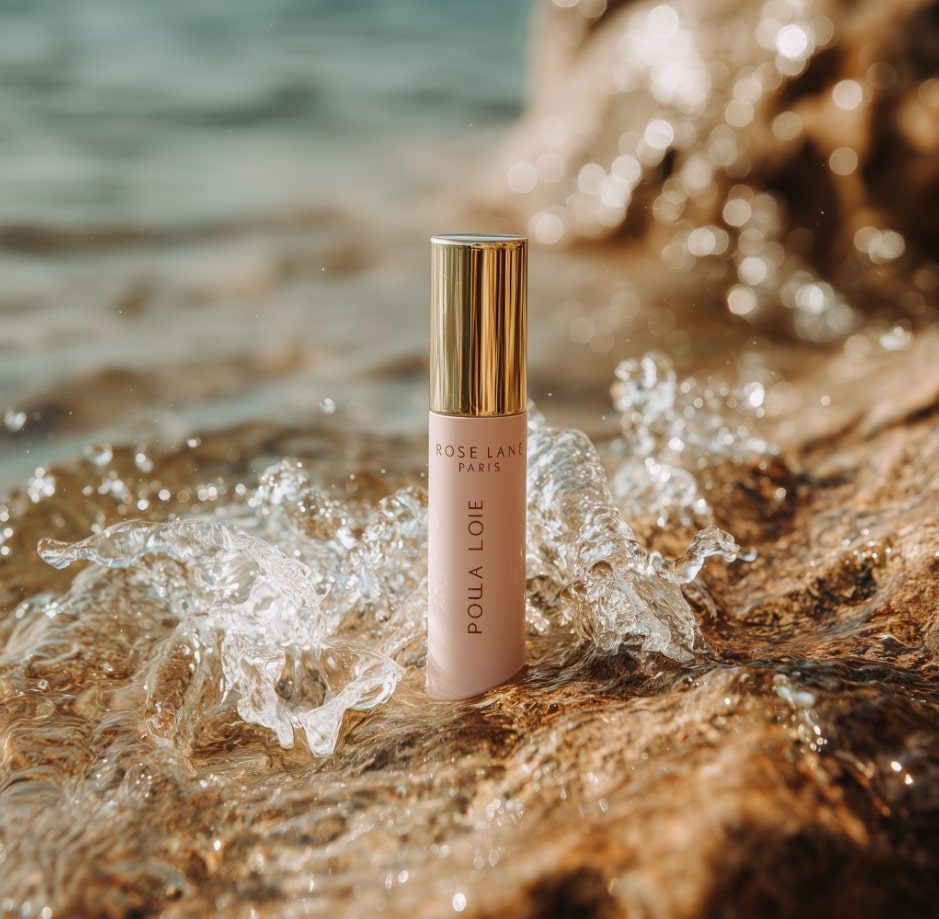
Not ready for full model shots? No problem. Photograph your own hand peeling open the wax seal on a jar of honey, a faint scar on your thumb reminding everyone that real people make real things.
The slight tremor in your fingers, the uneven fingernail — these imperfections signal honesty. The viewer thinks, “Someone just like me bottled this,” and the distance between seller and buyer collapses.
13. Try Smoke or Light Effects
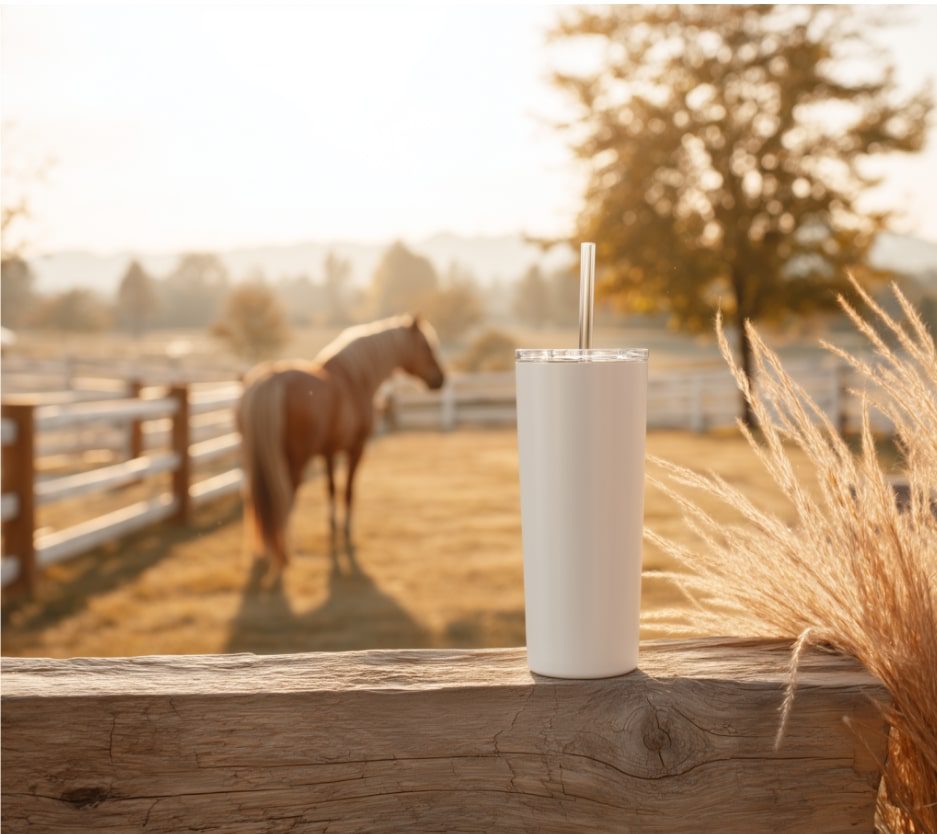
Crack open a bathroom window, set a small cup of hot water behind your incense cones, and let the steam curl upward like a secret escaping.
Back-light it with the flashlight from your phone so the smoke glows. One quick burst of shutter speed freezes the swirl into ghostly wings around the cones.
The image feels mystical, as if the scent itself has taken shape. Edit gently; the product should never vanish into the haze.
14. Capture “One Second Before” Moments
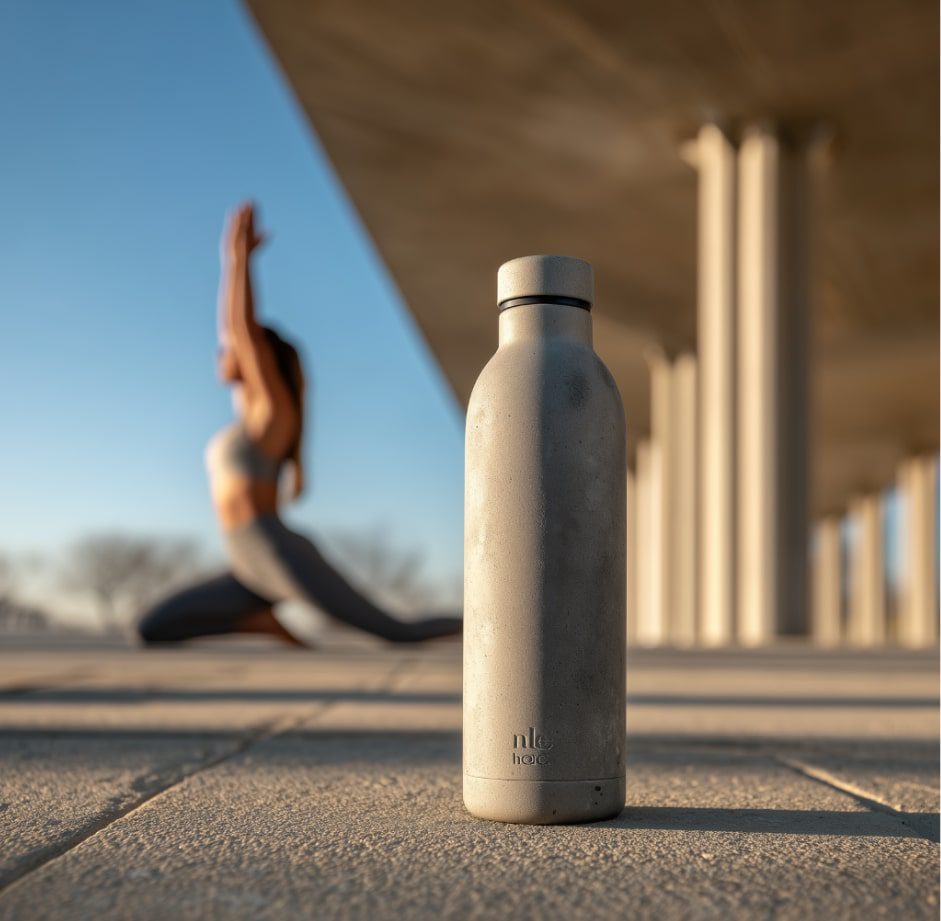
Fill a clear shoebox with water, drop in a single bath bomb, and count to three. Shoot through the side of the box the instant the sphere hits the surface — that fragile crown of water still clinging to its shape before the color explodes.
The photo traps anticipation: the viewer’s brain finishes the action, and the fizz happens inside her imagination. These images beg to be shared, tagged, replayed.
Why Creative Product Photos Matter
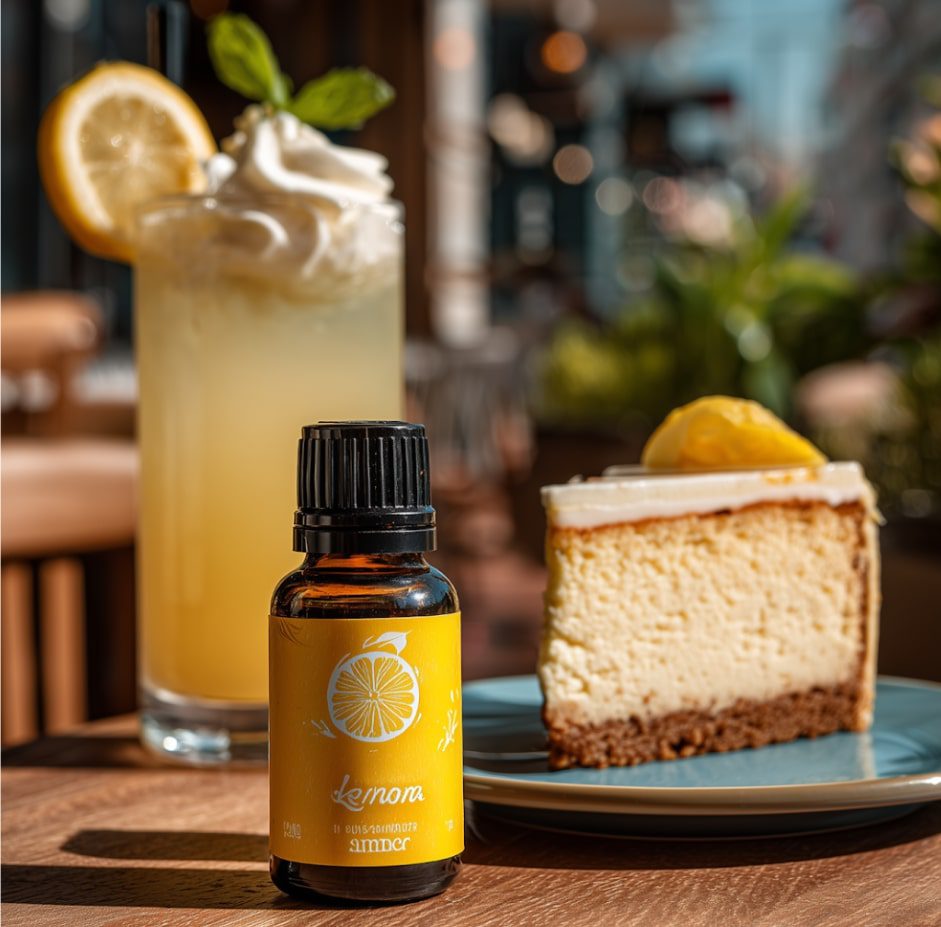
In the endless scroll of thumbnails, your photograph is the equivalent of a friend waving across a crowded room.
Studies tell us that shoppers decide within seconds whether to stay or leave, and most of that decision happens in the visual cortex long before the rational brain reads a bullet point.
A sharp, emotive image calmly says, “I took the time to see you,” and that courtesy converts into clicks, carts, and conversations.
But deeper still, thoughtful photography is a love letter to your own craftsmanship.
When you light a candle from three angles just to catch the way the wax pools like liquid moonlight, you are honoring the hours you spent testing wicks and scents.
That care leaks into every pixel and reassures the customer that the same diligence will show up in the shipping tape, the thank-you note, the way you replace a broken lid without argument.
Good visuals improve conversion rates, yes — but they also improve your own memory of why you started.
And if the tech side of building an online home still feels like trying to assemble IKEA furniture in the dark, consider inviting a small ecommerce development studio to handle the code while you keep handling the story.
Let them worry about compression rates and lazy-loading; you worry about steam and shadows.
Final Thoughts
Product photography is not a finish line; it’s a playground that stays open after dark. Start with one idea: maybe you tape a piece of turquoise cardstock to the wall tomorrow morning and watch how it changes the personality of your stainless-steel water bottle.
Notice how the light moves across your floor at 9:47 a.m. and again at 4:12 p.m., and choose the hour that makes your glass serum glow like captured sunrise.
Allow yourself fifty out-of-focus frames and one accidental masterpiece that ends up as your Instagram cover.
Every session teaches you something new about your product, your audience, and the quiet, stubborn part of you that keeps showing up even when the first shots look like grocery-store flyers.
The more you look, the more you realize that your goods are not just objects; they are passports to moods your customers want to revisit.
Capture the mood honestly, and the product will sell itself while you’re busy planning the next shoot.
With a bit of effort and a heart cracked open to wonder, your product photos can do more than showcase what you sell — they can hold the door open for someone who’s been searching for exactly this feeling without knowing its name.
And that is the kind of image that keeps customers coming back not just for the thing you made, but for the way you made them feel seen.