
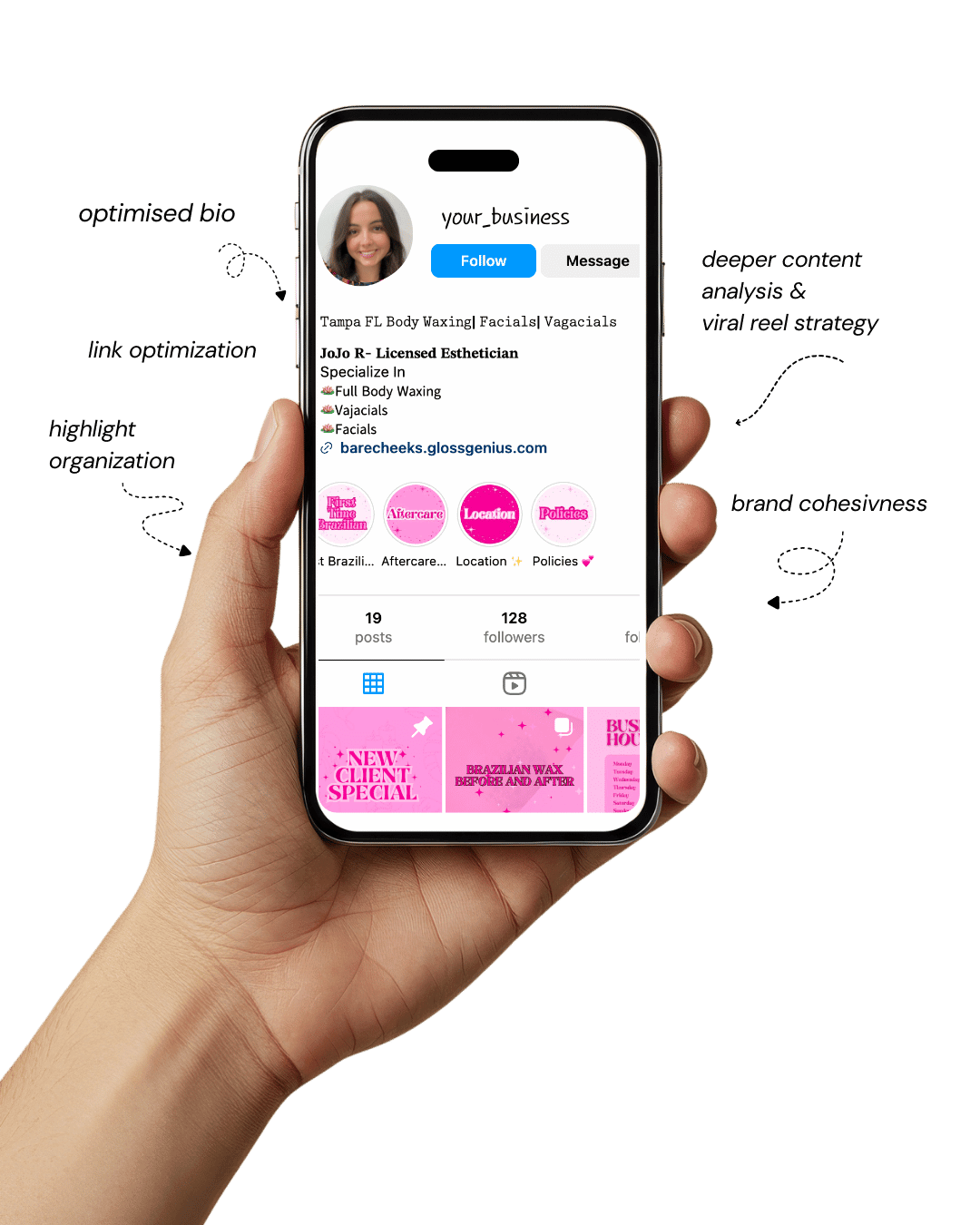
Your Instagram isn’t the problem.
The strategy is.
Get a free, honest audit of your Instagram profile — tailored for beauty, wellness & creative brands.
You’ll receive: profile fixes · content gaps · bio upgrades · content ideas.
I personally review your profile and send a clear, actionable breakdown — no AI, no templates.
Real estate marketing has evolved so quickly that even seasoned agents feel pressure to keep up, and that’s exactly why understanding strong real estate marketing strategies matters more now than ever.
With buyers scrolling through listings on multiple devices, comparing homes instantly, and forming opinions long before they reach out, the way you present your brand determines whether you stand out or get lost in a sea of similar agents.
The competitive edge doesn’t always come from massive ad budgets—it often comes from clarity, consistency, and thoughtful positioning that resonates with the right buyers and sellers.
Many agents underestimate how small marketing decisions—like the way a listing description flows or how quickly you respond to an inquiry — can drastically influence trust.
Others skip foundational steps and jump straight to flashy tricks without building a marketing system that attracts clients steadily.
This article is designed to give you a grounded, modern, and genuinely effective set of tools that top agents rely on, but without the fluff or common generic advice.
These real estate marketing tips go deeper, focusing on what actually moves the needle in a way that’s sustainable, brand-building, and strategic.
Why These Real Estate Marketing Tips Matter

Before diving into the list, it helps to understand why these real estate marketing tips work so consistently for top agents across different markets.
Strong marketing is more than simply promoting listings — it’s about shaping the way people perceive your expertise, reliability, and approach.
Buyers and sellers are overwhelmed with choices, so the clarity and quality of your marketing often become the deciding factors long before they meet you.
The way you present yourself through your content, visuals, communication style, and community presence builds a lasting impression that clients carry into every interaction.
The right marketing system also saves you time. Instead of chasing cold leads, your presence starts attracting people who already trust what you stand for.
This leads to higher-quality conversations, smoother client relationships, and better-fit transactions.
Many agents don’t realize that strong foundational marketing — clear positioning, consistent visuals, structured messaging — reduces friction at every stage of the client journey.
These tips matter because they help you build a reputation that works even when you’re not actively promoting yourself.
Top agents swear by them because they create predictability, build authority, and elevate your brand far beyond just posting listings.
When implemented with intention, they turn your business into a magnet for ideal clients.
1. Define Your Signature Real Estate Brand Message
One of the most overlooked real estate marketing moves is creating a signature brand message that communicates exactly who you serve and how you work.
Many agents focus heavily on visuals but skip the deeper layer of clarity that actually helps clients choose them.
When your message is specific, buyers and sellers understand not only what you do, but why your approach is different from every other agent they’ve met.
Start by identifying what people consistently praise you for — communication style, negotiation strength, neighborhood expertise, or calm guidance.
Then translate that into a short, repeatable message you can use across bios, video content, listing presentations, and emails.
This message becomes the backbone of your marketing and shapes clients’ expectations before they even reach out.
Agents who skip this step often wonder why their marketing feels scattered or generic. Those who commit to it instantly elevate their professionalism and client attraction.
2. Build a Repeatable Content System Instead of Random Posts
Top agents don’t rely on inspiration to create content — they rely on systems. Successful real estate marketing isn’t about posting more; it’s about posting strategically and consistently.
A repeatable content system ensures your brand stays visible without leaving you stuck trying to come up with ideas at the last minute.
A strong system has three parts: evergreen educational content, community-focused updates, and active listing-related material.
This mix keeps your brand relevant during both busy and slow seasons. Many agents unknowingly post only listings, which limits engagement because the audience isn’t always actively buying. A balanced system builds trust even between transactions.
One thing many agents miss is the value of content templates, batching, and setting monthly themes.
These reduce decision fatigue and build consistency, which is something clients notice even before they interact with your brand.
A repeatable content system also helps you analyze what’s working and refine it over time.
3. Use High-Impact Listing Videos That Highlight Lifestyle, Not Just Rooms
Listing videos are everywhere, but not all of them convert. The agents seeing the best results use real estate marketing videos that focus on lifestyle rather than just showing empty spaces.
Buyers want to envision themselves living in the home, which means you need to showcase more than a walkthrough.
Capture how the morning light hits the kitchen, show the flow from indoor to outdoor spaces, and highlight unique textures or architectural details buyers may not notice in photos.
Adding small lifestyle moments — coffee mugs on the counter, a book on the patio table, a softly glowing lamp — helps convey warmth and energy without turning the video into a scripted production.
Most agents skip this because it takes extra thought, but the subtle emotional impact is noticeable.
Highlight community features as well. A quick clip of a local park, café, or sunset view adds context that pure listing videos miss, strengthening your marketing results.
4. Create a Google Business Profile That You Actually Maintain
Many agents create a Google Business Profile but rarely manage it, missing one of the strongest real estate marketing opportunities available.
Google is often the first place clients check before contacting an agent, and a well-maintained profile can build trust faster than social media.
Regularly update your profile with new photos, posts, Q&A responses, and listings. Google rewards active profiles with higher local visibility, meaning more potential clients see you without spending on ads.
Another overlooked step is encouraging clients to leave detailed reviews rather than generic ones.
Descriptions about negotiation, communication, or problem-solving help future clients understand your strengths.
Also, verify that your contact information is accurate across all platforms. Inconsistent details reduce trust and can negatively affect your search visibility.
A Google Business Profile isn’t something to set and forget; it’s a long-term marketing tool that deserves consistent attention.
5. Invest in Modern, Cohesive Branding That Reflects Your Market
Cohesive branding is more than a logo — it’s the visual and emotional experience clients associate with your business.
Strong real estate marketing relies on branding that aligns with your target audience and market price point.
For example, luxury markets call for refined, minimal branding, while suburban family markets respond well to warm, approachable visuals.
Many agents have mismatched branding because they piece it together over time — different fonts on different platforms, inconsistent colors, various styles of graphics.
This creates confusion and weakens your authority. A cohesive brand helps clients immediately recognize your marketing materials, whether they’re viewing a listing flyer, a postcard, or a social media post.
Spend time defining your brand elements: fonts, colors, tone of voice, photography style, and design layout preferences.
Once these are set, apply them everywhere. Consistency strengthens recognition, and recognition breeds trust long before a client decides to reach out.
6. Leverage Client Storytelling Over Traditional Testimonials
Instead of relying solely on standard testimonials, top agents use client stories as part of their real estate marketing strategy.
Stories provide context: the challenges, the wins, and the transformation that happened during the buying or selling process. They show how you think, how you solve problems, and how you care for your clients.
Many agents overlook this format because it requires more intentional writing, but it delivers significantly stronger trust-building.
When you share a client’s journey — first-time buyer nervous about financing, a family relocating from another state, or a seller navigating multiple offers — it helps future clients see how you operate in real situations.
Client storytelling also gives you reusable marketing material. A strong story can be turned into a blog post, social media carousel, Reel, email newsletter, or Google Business update.
It’s one of the most underrated tools for establishing authority in a saturated market.
7. Optimize Your Website for Lead Conversion, Not Just Aesthetics
Having a gorgeous website isn’t enough; it needs to convert visitors into leads. Many agents focus heavily on visuals but overlook the functional side of real estate marketing.
High-performing websites guide visitors through a clear journey — from initial curiosity to scheduling a consultation.
This means using clear calls-to-action, simplified navigation, and pages that directly address buyer or seller needs.
Don’t bury your contact forms or hide important details behind multiple clicks. Also incorporate local guides, neighborhood insights, and market trend pages — these create authority and keep visitors on your site longer.
Most agents skip these pages because they take time to create, but they significantly improve SEO and trust.
Lastly, ensure your website loads quickly and looks great on mobile. Slow load times lead to high bounce rates, especially for first-time visitors deciding whether to trust you. This is an essential step for elevating your online presence.
8. Build Relationships With Local Businesses for Mutual Exposure
One of the most underestimated real estate marketing strategies is building relationships with local businesses.
These partnerships create organic visibility and position you as someone deeply connected to the community. Most agents know this is beneficial but rarely maintain it consistently.
You can collaborate with interior designers, mortgage brokers, local cafés, home organizers, landscapers, furniture stores, or even family-owned shops.
Simple collaborations — like featuring them in your content, co-hosting small events, or exchanging referrals — help build credibility on both sides.
Buyers and sellers often appreciate insights into local services they can trust, which adds value to your brand.
Another overlooked benefit: these businesses often have strong community loyalty and established audiences.
When they highlight you, even casually, it exposes your brand to people who already trust their recommendations. Over time, this creates a steady stream of warm, relationship-driven leads.
9. Master Email Marketing With Value-First Content
Top agents use real estate marketing emails not just to push listings, but to offer consistent value that keeps them top of mind.
This includes market updates, tips for buyers or sellers, and curated local insights.
The goal is to position yourself as a trusted resource rather than just someone trying to sell a property.
Many agents make the mistake of sending sporadic or overly promotional emails. Instead, create a simple cadence — weekly, bi-weekly, or monthly — that your audience can rely on. Segment your list for buyers, sellers, and past clients so content feels personalized and relevant.
Highlight stories, neighborhood trends, and actionable advice. Emails that educate, inspire, or simplify the real estate process build trust and engagement.
Over time, these interactions nurture leads passively, meaning clients reach out to you instead of the other way around.
10. Use Social Proof Strategically
Social proof is a powerful tool in real estate marketing, but it’s often underutilized. Beyond basic testimonials, showcase recognitions, certifications, community involvement, and sales milestones. People respond to credibility that’s visible and relatable.
Many agents think posting achievements once is enough, but consistent reinforcement matters.
Mix short, digestible updates like “Closed 5 homes in Oakwood this month” with more narrative posts showing how you helped clients navigate complex transactions. These signals build confidence that you deliver results.
Another subtle method is peer recognition. When other respected professionals endorse you, it reinforces trust. Social proof isn’t just bragging — it’s demonstrating reliability and positioning yourself as a go-to agent in your area.
11. Harness the Power of Video Walkthroughs and Live Tours
Video remains one of the strongest real estate marketing tools, but most agents only post static photos.
Video walkthroughs, virtual tours, and live open houses provide a richer experience, allowing buyers to emotionally connect with the property and your style as an agent.
Top agents highlight not just rooms, but flow, lighting, and key lifestyle aspects. A short, engaging live tour allows real-time Q&A, building rapport and showing transparency. It also captures leads who prefer digital experiences before visiting in person.
Many agents overlook the importance of posting these videos across multiple channels — Instagram, Facebook, YouTube, and even email. Each platform reaches different audience segments.
Regular video content enhances visibility, strengthens authority, and increases engagement organically.
12. Implement Local SEO to Attract High-Intent Clients
A common gap in real estate marketing is optimizing online presence for local searches.
Most clients start their home search on Google with phrases like “homes for sale in [neighborhood]” or “best real estate agent near me.” If your profiles and content aren’t optimized, you miss these highly targeted leads.
Local SEO involves optimizing your Google Business Profile, embedding relevant keywords in your website, creating blog content about neighborhoods, and maintaining consistent NAP (name, address, phone) data across directories.
Many agents skip blog content, but even simple posts highlighting local schools, amenities, or market insights improve search visibility.
The payoff is long-term. Clients searching for properties nearby will find you organically, often before they even consider calling another agent.
Consistency, relevancy, and a focus on local expertise are key to leveraging SEO effectively.
13. Utilize Paid Ads Strategically Without Overspending
Paid ads can amplify real estate marketing reach, but only when used thoughtfully. Top agents use highly targeted campaigns rather than broad, generic promotions.
Facebook, Instagram, and Google ads work best when promoting specific listings, open houses, or community guides.
The biggest mistake is running ads with no clear audience or goal. Define your target: buyers in a specific ZIP code, first-time buyers, luxury property investors, etc.
Use simple retargeting to stay in front of people who’ve engaged with your content.
Another overlooked element is monitoring metrics and iterating. Ads aren’t “set it and forget it.” Adjust visuals, copy, and targeting based on performance.
When done right, paid campaigns supplement organic strategies and accelerate lead generation without blowing your budget.
14. Optimize Your Follow-Up System for Every Lead
Generating leads is only half the battle; how you follow up defines your success in real estate marketing. Top agents know that quick, personalized, and consistent follow-up turns inquiries into transactions.
Many agents underperform here by relying solely on automated responses. While automation helps, adding a human touch — like a phone call, video message, or tailored email — enhances trust.
Track engagement, set reminders for timely follow-ups, and document key details for personalized interactions.
Also, segment leads by type: hot leads, future buyers, past clients. A structured approach prevents anyone from falling through the cracks.
Optimized follow-up not only increases conversions but demonstrates professionalism and reliability, building long-term client loyalty.
15. Track Analytics to Refine Marketing Efforts
Data-driven decisions are often ignored in real estate marketing, yet tracking results allows agents to focus on what truly works.
Use analytics from social media, website traffic, email campaigns, and ad platforms to measure engagement, leads, and conversions.
Top agents don’t just look at vanity metrics like likes or pageviews — they focus on actionable insights:
Which listings generate inquiries? What content drives new leads? Which neighborhoods show the most interest? Small adjustments based on data — like posting at peak engagement times or emphasizing a high-performing content style — can significantly improve results.
Tracking consistently also prevents wasted effort. Many agents assume marketing works uniformly, but data shows which strategies are profitable and which need adjustment. This iterative approach turns marketing from a guessing game into a predictable growth engine.
Additional Steps to Maximize Your Results

Even after implementing these 15 tips, there are additional steps to amplify your real estate marketing results. First, build a content calendar to maintain consistency.
Plan seasonal campaigns, market updates, and recurring posts that reflect your expertise and community presence. This ensures visibility year-round without scrambling for ideas.
Next, integrate multiple channels. Social media, email, video, and your website should work together cohesively.
Cross-promote listings and educational content to reach clients at different touchpoints, reinforcing your authority.
Another step is nurturing relationships beyond transactions. Engage with past clients and local partners through updates, events, or spotlight features. This builds referral networks and maintains visibility long-term.
Finally, continuously test and refine. Review analytics monthly, try new ad formats, adjust messaging, and refine visual branding.
Marketing that evolves with audience behavior outperforms static strategies, positioning you as a top-of-mind agent.
By layering systems, analytics, and relationship-building, your marketing becomes both scalable and highly effective.
Final Words
Successful real estate marketing isn’t about flashy gimmicks — it’s about clarity, consistency, and strategy.
Top agents succeed because they focus on meaningful connections, showcase expertise, and maintain systems that attract clients naturally.
Implementing these tips ensures your marketing works for you even when you’re busy managing transactions.
From defining your signature brand message to leveraging analytics, each step strengthens your presence, builds trust, and converts leads into loyal clients.
The agents who stand out are the ones who see marketing as a long-term investment, not a one-off effort. They focus on quality over quantity, personalization over generic messaging, and value over noise.
By committing to these strategies, you can elevate your brand, maximize visibility, and create a sustainable marketing engine that consistently delivers results, helping you grow in any market.