
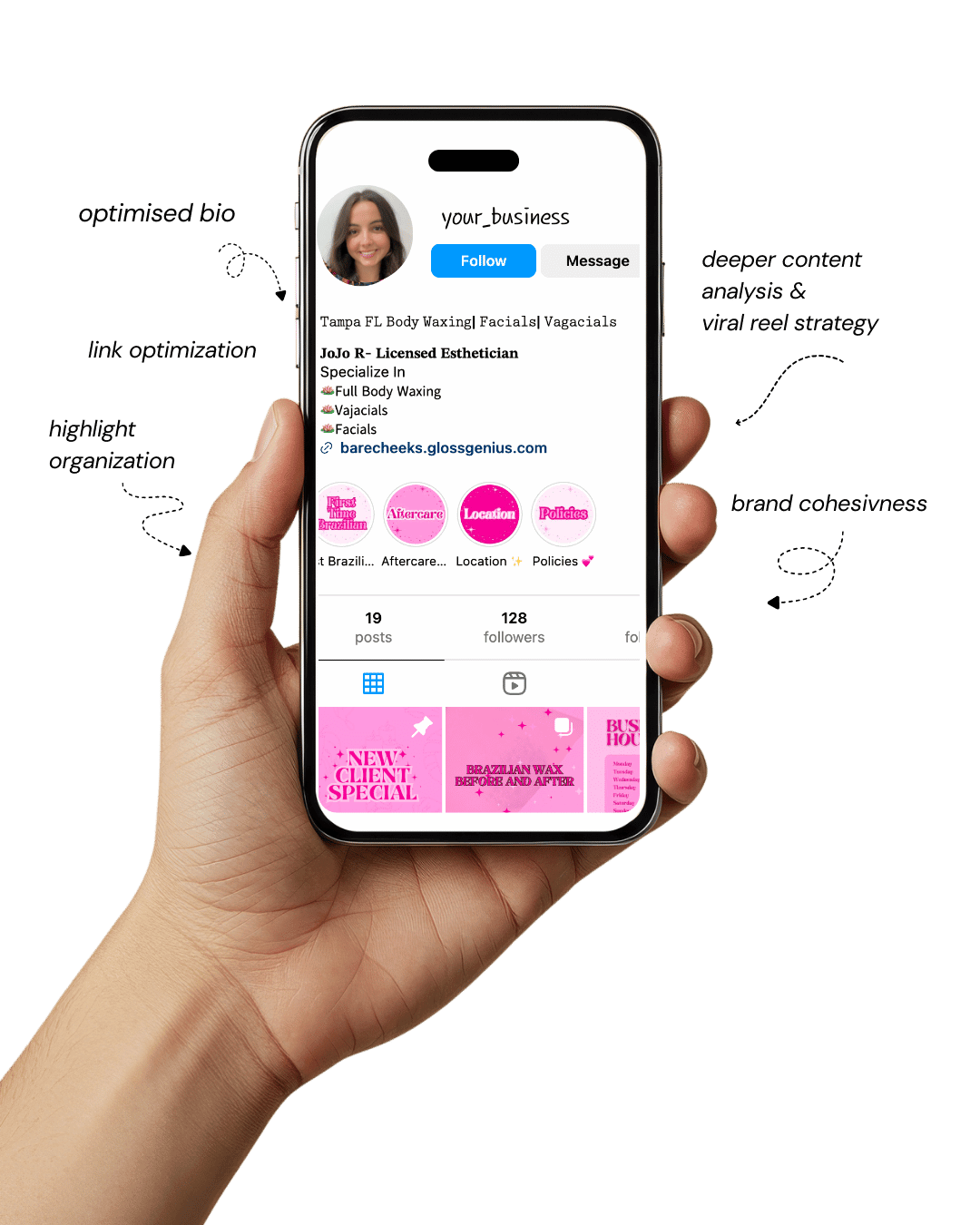
Your Instagram isn’t the problem.
The strategy is.
Get a free, honest audit of your Instagram profile — tailored for beauty, wellness & creative brands.
You’ll receive: profile fixes · content gaps · bio upgrades · content ideas.
I personally review your profile and send a clear, actionable breakdown — no AI, no templates.
If you’ve been exploring coaching business ideas lately, chances are you’ve realized one truth — running a coaching business isn’t just about helping clients grow; it’s about managing endless admin tasks, emails, bookings, and follow-ups that can eat your time alive.
This is exactly where automation steps in as a lifesaver.
By automating parts of your business, you can create systems that work for you 24/7 — scheduling sessions, sending reminders, managing payments, or even nurturing leads while you focus on coaching itself.
Automation isn’t just a buzzword; it’s a competitive edge. The right tech stack allows you to scale faster without sacrificing personal touch.
Coaches who leverage automation report higher client satisfaction, more predictable income, and — perhaps most importantly — more free time.
Whether you’re a life coach, fitness coach, or business strategist, implementing these coaching business ideas for automation can transform your workflow and productivity.
In this guide, we’ll walk through some most powerful ways to automate your coaching business this month — from client onboarding to content delivery — each one designed to streamline your processes and help your business grow sustainably.
Let’s make your systems smarter so you can focus on what you do best: coaching and changing lives.
Why Automating Your Coaching Business Matters

Automation might sound technical, but it’s actually one of the most human-centered coaching business ideas out there.
It’s about freeing yourself from repetitive, low-value tasks so you can pour your energy into people, creativity, and results.
Imagine not having to manually confirm bookings, send invoices, or chase payments — your system just does it.
The best part? Automation brings consistency. Clients appreciate reliable reminders, smooth onboarding, and instant follow-ups.
It strengthens trust because everything feels professional and timely. On the backend, you reduce errors, cut costs, and gain data-driven insights into your business performance.
When you automate effectively, you also future-proof your brand. As your coaching practice scales, automation ensures you don’t crumble under administrative weight.
It keeps your workflow organized even as your client base doubles.
So, whether you’re automating your lead magnets or client management tools, these strategies will help you save time, enhance client experience, and ultimately boost profitability.
Each of the following coaching business ideas can be set up this month — without coding skills — using accessible tools like Zapier, Calendly, and Canva.
1. Automate Client Onboarding
First impressions set the tone for your entire coaching relationship, and an automated onboarding system makes that process effortless. Tools like Dubsado,
HoneyBook, or ClientJoy allow you to create customized workflows that automatically send welcome emails, contracts, and intake questionnaires as soon as a client signs up.
You can even embed smart forms to collect background information, coaching goals, and scheduling preferences.
Once a client completes a form, the system can instantly generate a personalized welcome packet or onboarding guide.
Pro tip: Create automated “trigger actions” so when a client signs a contract, a welcome email with their next steps, payment link, and booking calendar goes out automatically.
This not only saves hours but also makes you look organized and trustworthy — a critical aspect in today’s competitive coaching business ideas landscape.
2. Smart Scheduling with Calendly
Manual scheduling back-and-forth emails are a thing of the past. Calendly, Acuity Scheduling, or TidyCal allow clients to view your real-time availability, book sessions, and even pay upfront.
These platforms integrate with Google Calendar, Outlook, and Zoom, automatically generating meeting links and reminders.
To optimize, set buffer times between appointments to prevent burnout and reduce double-booking risks. Automated email or SMS reminders 24 hours and 1 hour before sessions can cut no-shows by more than 40%.
Bonus tip: Connect your scheduling tool to Zapier or your CRM to automatically log booked sessions as “active engagements.”
This makes tracking client activity and scheduling recurring sessions much simpler — one of the smartest coaching business ideas for consistency and time-saving.
3. Email Marketing Automation
Email automation remains one of the most powerful coaching business ideas for building relationships and scaling your influence.
Tools like ConvertKit, ActiveCampaign, or MailerLite can help you set up nurture sequences that guide leads from awareness to conversion.
For instance, when someone downloads your free “Goal-Setting Template,” they’re added to an automated 5-day email series that delivers value (coaching tips, success stories, and testimonials), followed by a gentle service offer.
You can also segment your audience — new subscribers, active clients, and alumni — so each group receives messages tailored to their journey.
Add behavior-based triggers like “if a user clicks this link → send next offer.” This personalization boosts open rates and builds long-term trust while you focus on actual coaching.
4. Use CRM Tools to Track Clients
A CRM (Customer Relationship Management) system is the backbone of professional coaching operations.
Platforms like HubSpot, CoachAccountable, or Zoho CRM can automate client tracking, contract reminders, and follow-ups.
Every lead can be tagged by source (website, referral, webinar) and automatically moved through a “pipeline” — inquiry → discovery call → signed client → completion → testimonial request.
Automation ensures that if a prospect hasn’t responded after a week, a polite follow-up email goes out automatically.
You can even create conditional workflows: if a client’s contract expires, the CRM sends renewal offers or a reactivation sequence.
This organized system ensures no one falls through the cracks — a common challenge in growing coaching business ideas.
5. Automate Contracts and Invoicing
Financial workflows are often the most tedious part of a coaching business. Using HelloSign, DocuSign, or PandaDoc, you can send prefilled contracts that clients can sign electronically.
Combine that with QuickBooks, Xero, or Wave to automate invoices, recurring payments, and reminders.
Set up auto-generated receipts and automated payment confirmations that trigger once a transaction is completed. Not only does this look professional, but it also creates a clear audit trail.
For added security, enable two-factor authentication and set up automated reminders for late payments.
That way, you can maintain healthy cash flow without awkward manual follow-ups — a crucial yet often-overlooked aspect of scaling coaching business ideas.
6. Auto-Generate Session Notes
Capturing insights during coaching sessions can be time-consuming. AI tools like Otter.ai, Fireflies.ai, or Fathom can automatically transcribe meetings in real-time, identify key topics, and even summarize takeaways.
You can then sync these notes directly into your CRM under each client’s profile. This gives you searchable session history and progress data without typing a word.
To go a step further, you can integrate these tools with Notion or ClickUp to automatically organize notes by client and session date.
This saves you hours of admin work while ensuring detailed documentation — something every professional leveraging coaching business ideas should prioritize.
7. Automate Social Media Content
Content consistency builds authority, but posting daily can drain your time. Platforms like Buffer, Later, or Metricool let you batch-schedule posts across multiple channels.
Combine that with Canva’s Brand Kit to maintain visual consistency. You can create reusable templates for quotes, tips, or success stories aligned with your coaching business ideas.
Plan content themes in advance (e.g., Motivation Mondays, Client Wins Wednesdays), and let automation handle the rest.
Advanced tools even analyze engagement data and auto-optimize posting times for higher reach — letting you stay visible without being glued to your phone.
8. Create an Evergreen Webinar Funnel
Webinars are a fantastic way to convert leads into clients, but hosting live sessions repeatedly is exhausting. Enter EverWebinar, Demio, or WebinarKit — platforms that automate the entire process.
You record a powerful training once, and the system replays it automatically at preset times. When paired with an email automation tool, viewers receive follow-ups and offers automatically after watching.
For a professional touch, integrate payment options for instant sign-ups and track conversion metrics using Google Tag Manager.
This funnel works around the clock, turning your coaching business ideas into a passive sales engine.
9. Automate Client Progress Tracking
Tracking client milestones manually is inefficient. Platforms like Notion, Airtable, or CoachAccountable allow you to set up progress dashboards that update automatically based on completed tasks or session logs.
For example, when a client marks a “goal achieved,” the system can automatically send a congratulatory email, record the milestone in their dashboard, and trigger a testimonial request sequence.
By automating this cycle, you create a motivating client experience while collecting valuable data on what drives results — a major advantage for data-driven coaching business ideas.
10. Chatbots for Instant Client Support
A website chatbot ensures your potential and current clients always have support. Tools like Tidio, ManyChat, or Intercom can answer FAQs, share free resources, or direct users to booking pages.
Set up keyword-based triggers — e.g., if someone types “pricing,” the bot can display your packages instantly. These bots integrate with CRMs and email tools, so lead data is captured automatically.
You can even route complex questions to your inbox or team chat. This hybrid automation keeps your business responsive 24/7 while maintaining a personal touch — a hallmark of great coaching business ideas.
11. Lead Capture Automation
Every lead matters, and automation ensures you never lose one. Use Typeform, Gravity Forms, or Paperform to create engaging quizzes or surveys.
When someone fills them out, their data instantly syncs to your CRM and email list, tagged by interest or service level.
For instance, if a lead selects “career coaching,” they’re automatically added to a segment that receives related resources. Integrate your forms with Zapier or HubSpot for advanced automation.
This eliminates manual data entry, helps personalize outreach, and keeps your pipeline full — one of the most practical coaching business ideas for scaling lead generation.
12. Automate Testimonials Collection
Social proof is gold, but collecting testimonials manually can be awkward. Use Google Forms, VideoAsk, or Endorsal to automate the process.
Set a trigger in your CRM: once a client completes their final session, they receive a friendly automated email requesting feedback or a short video testimonial.
To increase responses, offer a small incentive (like a free resource) and automate follow-up reminders if they haven’t replied in 7 days.
These testimonials can then be auto-synced to your website or social media — boosting your credibility effortlessly.
13. Payment and Subscription Automation
Consistent income depends on reliable billing systems. Stripe, PayPal, or ThriveCart allow you to set up recurring payments for coaching packages or memberships.
You can configure automated receipts, renewal reminders, and cancellation confirmations. This gives clients a transparent and frictionless experience while maintaining accurate bookkeeping.
Pro tip: Integrate payment data with Google Sheets or your CRM to monitor monthly revenue automatically.
Financial automation is one of those coaching business ideas that instantly elevates professionalism and cash flow stability.
14. Use Zapier for Multi-App Automation
Think of Zapier as your virtual assistant connecting all your tools. You can set up “Zaps” that trigger specific actions when an event occurs.
Example: “When a new client books in Calendly → create a folder in Google Drive → add contact to HubSpot → send welcome email via Gmail.”
You can even use multi-step Zaps to chain complex workflows. This cross-platform integration eliminates repetitive tasks, ensuring all your systems talk to each other — a must-have for modern coaching business ideas.
15. Deliver Coaching Resources Automatically
Delivering worksheets, videos, or bonus materials manually takes time. Platforms like Kajabi, Podia, or Teachable let you automatically grant clients access to materials after purchase or sign-up.
You can structure your course content into modules, drip-release lessons over time, and send automated progress nudges. Clients get instant access, and you maintain consistent delivery quality.
For added polish, link your payment gateway directly to your course platform — when someone pays, access is granted automatically without your involvement.
16. Automate Analytics and Reporting
Knowing what’s working is essential for scaling. Tools like Google Data Studio, Databox, or Metricool automatically pull data from your email campaigns, social channels, and website to generate visual reports.
Set up dashboards showing KPIs like conversion rates, engagement scores, or revenue growth from specific coaching business ideas.
Automate weekly or monthly email reports sent directly to your inbox. This way, you can make data-driven decisions without manually exporting spreadsheets.
17. Automate Reminder and Follow-Up Messages
Consistent communication strengthens client relationships. Using Twilio, ActiveCampaign, or HubSpot, you can automate reminder messages before sessions and follow-ups afterward.
For instance, “Hey [Name], just a friendly reminder about our session tomorrow at 2 PM!” or “How are you progressing with your action plan?”
These automations keep your clients engaged between sessions and show attentiveness — essential for retention and satisfaction in all coaching business ideas.
18. Streamline File Organization
Disorganized files waste time and create chaos. Automate folder creation and organization using Google Drive’s App Script or Zapier.
When a new client signs a contract, a folder with their name can automatically generate with subfolders for “Session Notes,” “Contracts,” and “Invoices.”
You can also auto-backup important files weekly to cloud storage. This system keeps your workflow clutter-free and scalable as your client base grows.
19. Automate Client Feedback Loops
Automation helps you maintain continuous improvement. Create periodic surveys in Typeform or HubSpot that trigger automatically after milestones (e.g., every 3 months).
Collect feedback on satisfaction, progress, and potential improvements. Responses can feed directly into a dashboard for analysis.
This data not only improves service quality but also gives you insights for refining coaching business ideas and marketing messages based on real client feedback.
20. Build an Automated Referral System
Word-of-mouth remains one of the strongest marketing tools for coaches. ReferralCandy, InviteReferrals, or GrowSurf can automate referral tracking, reward distribution, and thank-you messages.
When a client refers a friend, the system automatically tracks conversions and issues discounts or bonuses. Pair it with automated thank-you emails to show appreciation.
You can even integrate referral data with your CRM to nurture high-value advocates. It’s one of the most effortless ways to grow your client base and reinforce brand loyalty.
Additional Steps to Enhance Your Automation Strategy

Once you’ve implemented these automation strategies, the next step is optimizing and maintaining them. Think of it as a living ecosystem that evolves with your coaching business ideas.
Start by auditing your workflows every month. Automation should serve your goals, not complicate them. If something feels clunky, streamline it or consolidate apps.
Use analytics to see which automations save the most time and where manual oversight is still required.
Next, integrate AI tools like ChatGPT for creating custom content templates, client scripts, or automated responses that still sound human.
You can also link AI-generated notes with your CRM for richer client data.
Finally, invest in data security and compliance. Since you’re automating sensitive information, ensure tools are GDPR-compliant and encrypted. Use password managers and 2FA to safeguard systems.
Automation isn’t about doing less — it’s about doing better. When your systems are optimized, your energy shifts from managing chaos to designing better client experiences, launching new offers, and scaling your brand effortlessly.
Final Words

Embracing automation isn’t just a technical upgrade — it’s a mindset shift for coaches who want sustainable growth.
By applying these coaching business ideas strategically, you’ll not only reduce your workload but elevate every client interaction.
Imagine a business that runs smoothly even when you’re offline — where your leads are nurtured, clients are guided, and income is consistent.
Start small this month: pick three automations that address your biggest pain points, then expand from there. Within weeks, you’ll see measurable improvements in productivity, organization, and overall peace of mind.
Automation gives you back your most valuable asset — time — and that’s what allows great coaches to become exceptional entrepreneurs.
So go ahead: make your coaching business smarter, faster, and freer. Your future self will thank you for building systems that work while you rest.