
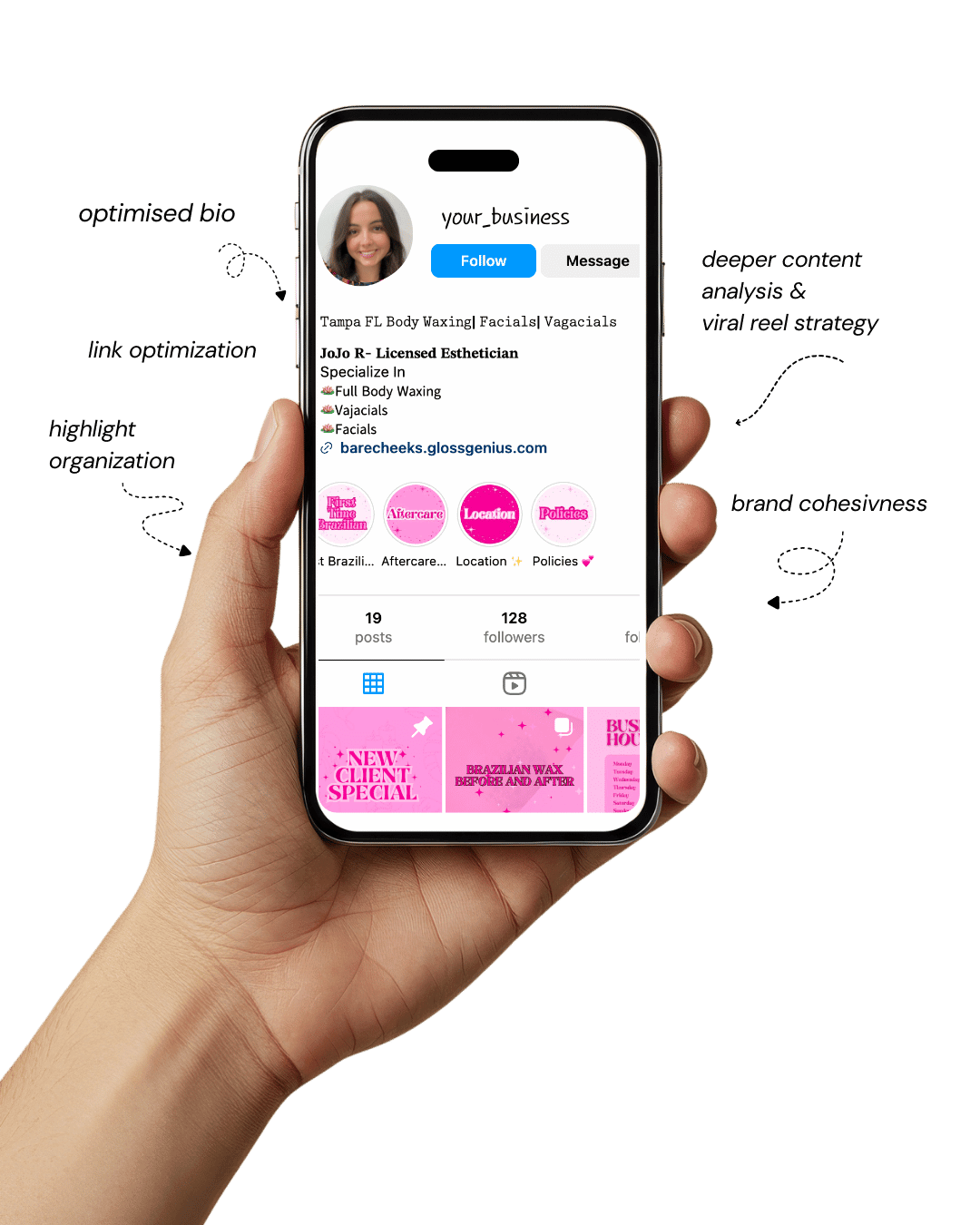
Your Instagram isn’t the problem.
The strategy is.
Get a free, honest audit of your Instagram profile — tailored for beauty, wellness & creative brands.
You’ll receive: profile fixes · content gaps · bio upgrades · content ideas.
I personally review your profile and send a clear, actionable breakdown — no AI, no templates.
Last September, during Frieze Week, a discreet Mayfair clinic posted a single photograph: a gloved hand levitating a crystal ampoule against a slab of Portuguese marble.
By the time the VIP preview cocktails were poured, three wait-listed faces had each paid a £10k deposit for a protocol that wouldn’t begin for six months.
The image took forty-five minutes to capture, yet its afterlife continues to underwrite the clinic’s annual revenue.
That is the alchemy of a meticulously plotted Aesthetician photoshoot: it transmutes light into ledger ink.
Below, the ten-step blueprint for repeating the trick — without hiring a Madison Avenue agency or surrendering your weekends to mood-board mania.
1. Define Your Brand Aesthetic

Close your eyes and describe your practice as if it were a scent. Mine came back “iris root, chilled glass, distant thunderstorm.”
Those four words became the litmus for every visual decision that followed: colour temperature 5600K, negative space generous enough to hear a heartbeat, fabrics only in desaturated dove.
If a prop, garment or hue cannot pass the one-sentence sniff test, it is escorted off set. Luxury, after all, is as much about what is excluded as what is admitted.
Q&A Interlude
A logo is a signature, not a symphony. The aesthetic we’re architecting is atmospheric, not ornamental.
Think of it as the difference between a signature on a cheque and the entire private banking experience.
Paint the wall a tone that exists between porcelain and wet limestone; then remove 30 % of the furniture. Negative space is the fastest renovation that costs only effort.
2. Pick Locations That Sell Luxury

Consider the following parable. Provider A books her own treatment room—cleverly renovated, yet still recognisably clinical.
Provider B secures a private rooftop conservatory whose glazing frames the city’s neo-Gothic spires. Same photographer, same day rate.
Provider A’s images feel competent; Provider B’s feel collectible. Six months later, Provider B’s average spend per client is 42 % higher.
The conservatory rental was £800; the uplift, just north of £90k. The moral: architecture is a silent upsell.
Negotiate mid-week media rates with boutique hotels, private galleries or members’ clubs. Most venues crave the sheen of medical authority as much as you crave their limestone; trade accordingly.
Mini-Case – The Car-Park That Wasn’t
One Manchester clinician transformed an unused multi-storey rooftop into a brutalist set for ninety minutes. The parking fee was £45; the resulting image—syringe silhouetted against setting sun—licensed to a skincare conglomerate for £12k. Location is merely a backdrop; vision is the asset.
3. Curate Props & Wardrobe

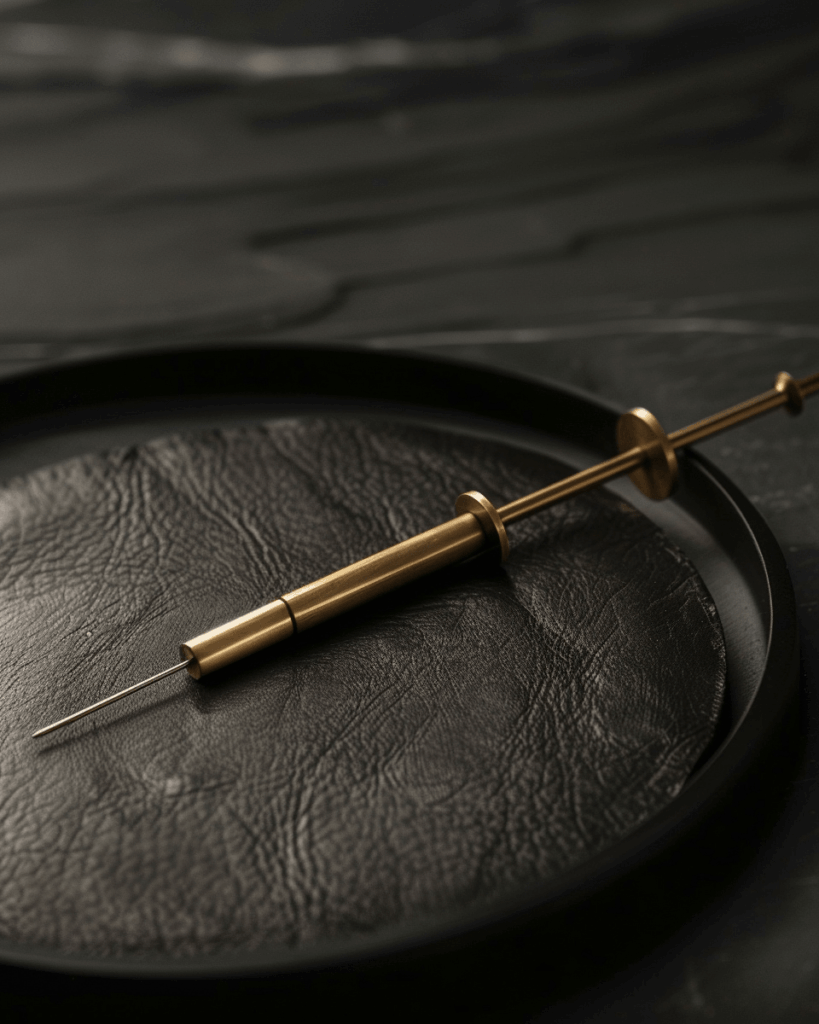
A 19th-century brass syringe bought at auction for £180 sits beside a slab of butter-soft Nappa leather.
Both are merely spectators, yet together they murmur, “We have witnessed centuries of refinement.”
Props are unpaid actors; wardrobe is the understudy. Choose natural protein fibres—silk, cashmere, fine merino — then have them tailored to within a millimetre of your torso. Anything less and the camera will read hesitation, not heritage.
One client swapped polyester scrubs for a double-faced cashmere coat the colour of wet sand; her engagement rate trebled overnight, and the coat amortised itself in two weeks.
Analogy – Props as Silent Sales Reps
Imagine each object earns commission. The brass syringe closes an extra £500 per client; the Nappa leather adds another £300. Suddenly that £180 auction find is the highest-paid member of your team.
4. Build a Shot List

Imagine you are the photo director of a magazine that retails for £12 and still turns a profit.
The story must open with a cinematic establishing frame, pivot to an intimate macro, ascend to a gesture shot, then resolve on quiet confidence.
Write those four beats across eighteen mandatory frames. Number them, print them on heavy stock, hand them to your photographer at the creative breakfast.
This is not micromanagement; it is curation. Without a map, even Cartier-Bresson would have wandered.
Narrative Example – The 18-Frame Symphony
Frame 1: skyline, negative space, clinician entering left.
Frame 7: gloved hand hovering over vial—tension before contact.
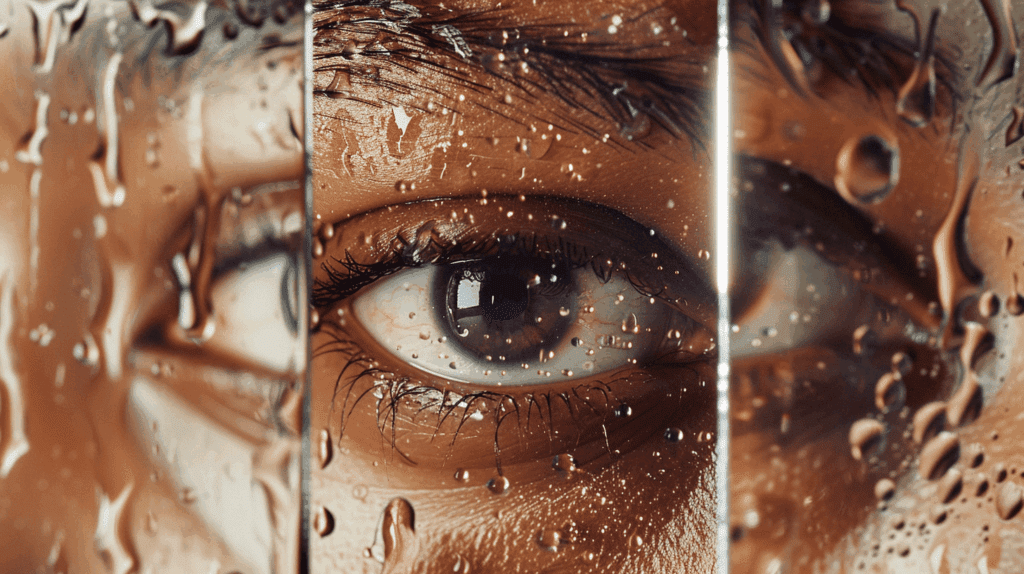
Frame 12: patient’s reflection fragmenting in antique mirror.
Frame 18: clinician’s profile against descending dusk—closure.
Each frame is a note; together they compose a siren song for the luxury ear.
5. Hire the Right Photographer

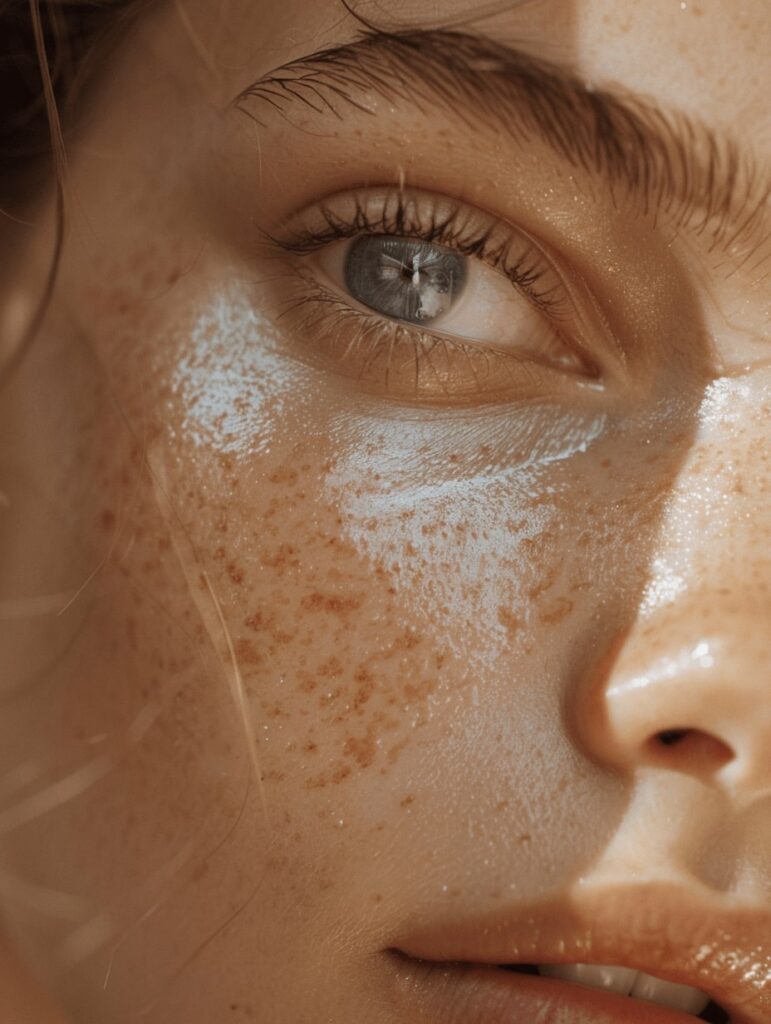
When portfolios land, ignore the weddings, the puppies, the influencer brunches. Look for skin—real skin — lit like Renaissance alabaster.
Then ask the killer question: “How will you avoid specular bounce on sebaceous zones when using a nine-foot octabox?”
The right hire will answer with a specific gel diffusion or flag placement; the wrong one will blink. Luxury is granular; if they cannot speak micron, they cannot sell poreless.
Q&A – “What if my budget is half their day rate?”
Offer usage in perpetuity for half the images, or trade social amplification to their target market—many emerging photographers will halve their fee for 40k targeted impressions.
6. Edit for Consistency
Reserve a half-day in a calibrated suite. Ingest RAW files, then apply a single LUT inspired by the house codes of a heritage fashion label — think Céline circa Phoebe, not TikTok neon.
Pull orange toward umber, lift green into grey, suppress red until skin looks like it has never known embarrassment.
Export in dual gamuts: sRGB for Instagram, Adobe RGB for the coffee-table tome you will gift VIP clients at Christmas.
Consistency breeds recognisability; recognisability breeds trust at concierge desks across Mayfair and Manhattan.
Metaphor – Grading as Tailoring
A poorly graded image is an off-the-peg suit: adequate from afar, tragic up close. A bespoke grade is Savile Row hand-padding—only the wearer knows why it feels inevitable.
7. Tell a Cohesive Story Across Platforms
Act I: post the establishing frame at 8 a.m. local time, caption only six words.
Act II: twenty-four hours later, release the macro as a carousel, allowing viewers to zoom into the droplet’s meniscus.
Act III: forty-eight hours on, share the patient reflection—eyes meeting themselves in your antique mirror.
Each act links to a private booking portal with a wait-list counter. Scarcity, when choreographed, feels like invitation, not desperation.
Mini-Case – The 72-Hour £37k Run
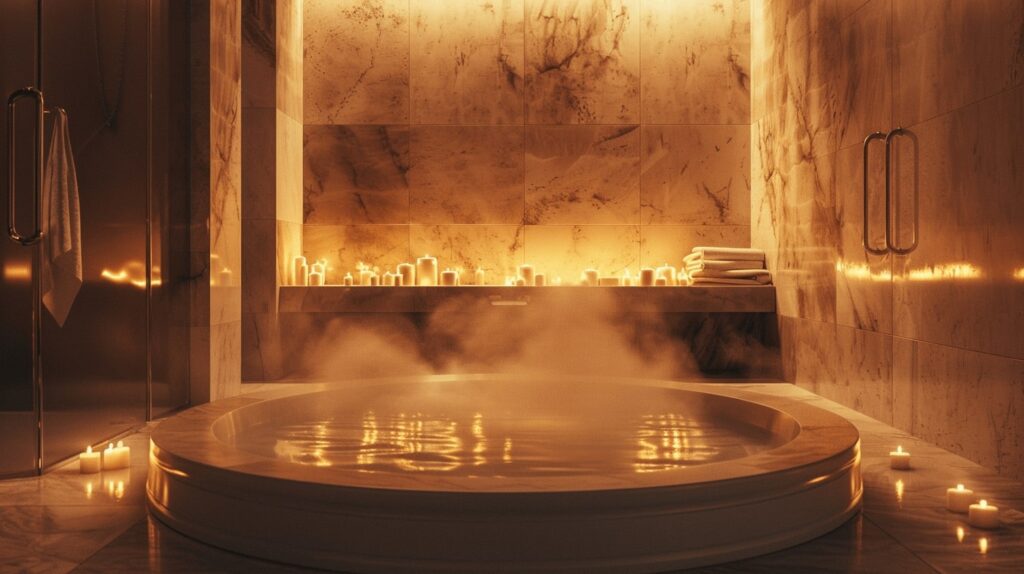
A west-London provider followed the three-act cadence; by Act III her wait-list counter stood at 63.
She released four appointments; they sold out in nine minutes. Total revenue: £37,200 — more than her quarterly rent.
8. Prep Like a Pro
On shoot morning, arrive ninety minutes early. Steam garments, calibrate colour-checker, position props within arm-reach labelled left-to-right in the order of shot list.
Place a printout of the day’s weather beside the espresso machine — cloud drift affects white balance more than any preset can forgive.
Finally, hand the model a timeline broken into fifteen-minute increments. Luxury whispers; it never shouts for lost time.
Straightforward Editorial – The Go-Bag Checklist
Portable steamer, lint roller, blotting papers, white cotton gloves (for handling props), double-sided fashion tape, 99 % isopropyl alcohol wipes, USB-C tether cable spare, oat-milk barista edition. Neglect none.
9. Leverage the Photos After the Shoot
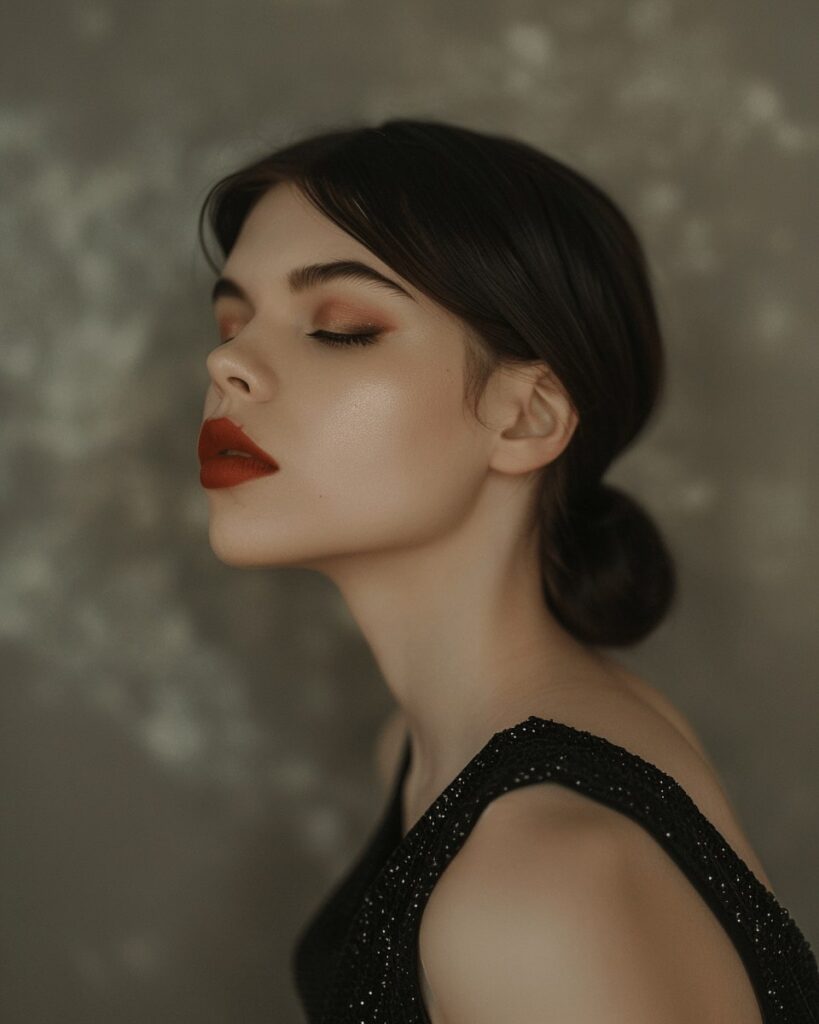
Six weeks later, repurpose the hero frame into a limited-edition giclée—edition of 25, signed, numbered, framed in museum glass.
Gift to referring cosmetic dentists and Harley Street GPs. Each print hangs in a consultation room where your target demographic already reclines with disposable income and a latent fear of ageing.
One surgeon reported a 300 % uptick in mutual referrals after his patients spent forty minutes staring at my client’s image.
Narrative – The Collector’s Wife
The wife of a prominent collector saw the giclée in the dentist’s suite, recognised the marble slab as the same stone in her holiday villa, and booked a flight to London specifically for treatment. One photograph: fifteen thousand miles of travel, zero ad spend.
Conclusion
An Aesthetician photoshoot is not a line item; it is a capital expenditure with its own depreciation schedule in reverse — images that appreciate in value every time they are pinned, printed, or whispered about over Bellinis at The Arts Club.
Execute the ten steps above and your next client may arrive clutching the photograph itself, asking to be made identical to the promise you framed.
When that moment arrives, send a thank-you note to the conservatory, the cashmere coat, and the antique syringe. Then open your diary — and raise your prices.